
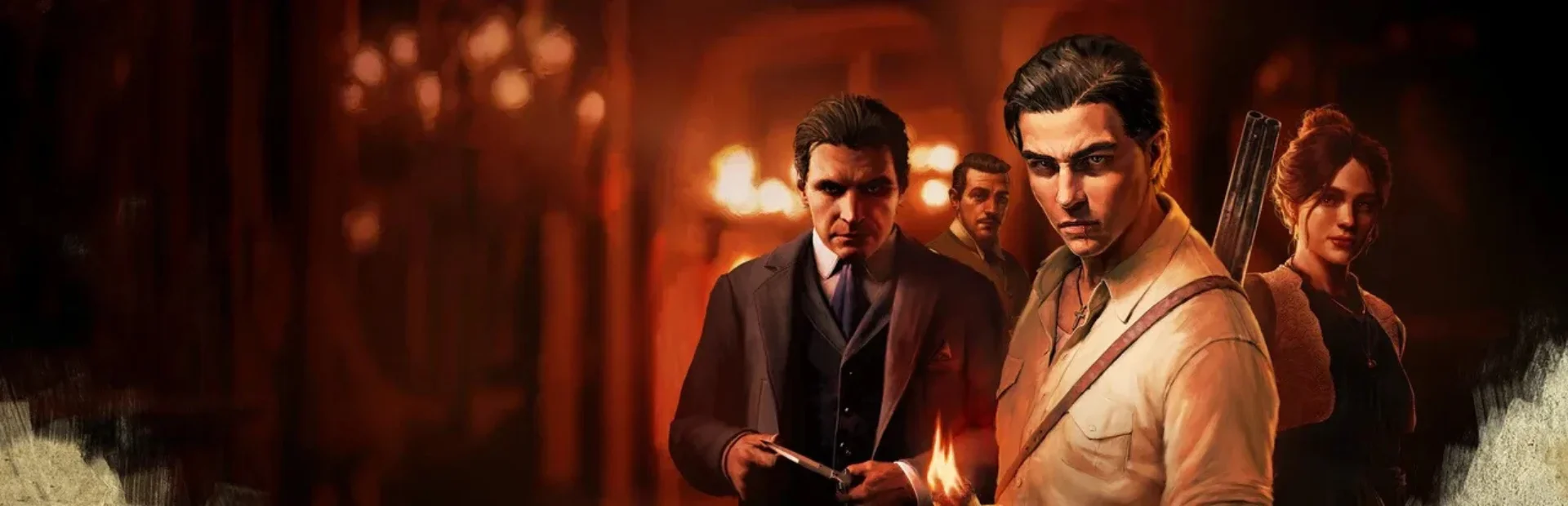
Credit: Hangar 13
reviewReview
Mafia: The Old Country is a beautiful crime story with old habits
June 3, 2026·6 min read
Mafia: The Old Country is at its best when it slows down and lets Sicily do the work. A dusty road, a quiet vineyard, a tense dinner, a horse ride through the countryside, a glance across a room where everyone understands the danger before anyone says it. This is a game built around mood, and that mood is often strong enough to carry it through plain mission design.
It is also a very old-fashioned action game, sometimes in a way I admired and sometimes in a way I could not ignore. The Old Country rejects open-world bloat and returns to a shorter, linear story about loyalty, violence, and family. That focus helps the game feel cleaner than Mafia III, but it also exposes how ordinary the stealth, shooting, and melee systems are when the atmosphere steps back.
Sicily gives the story its strongest identity
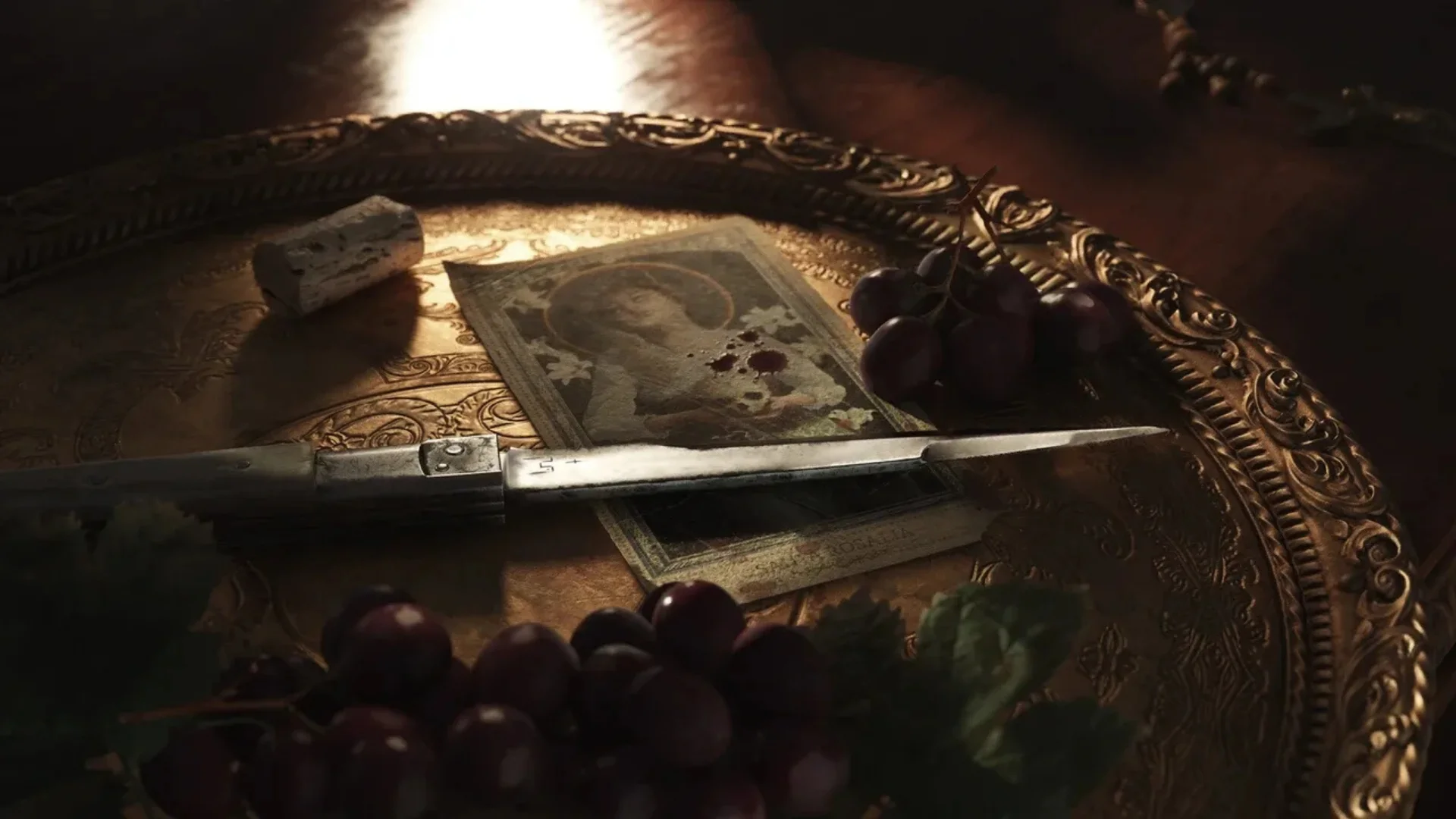
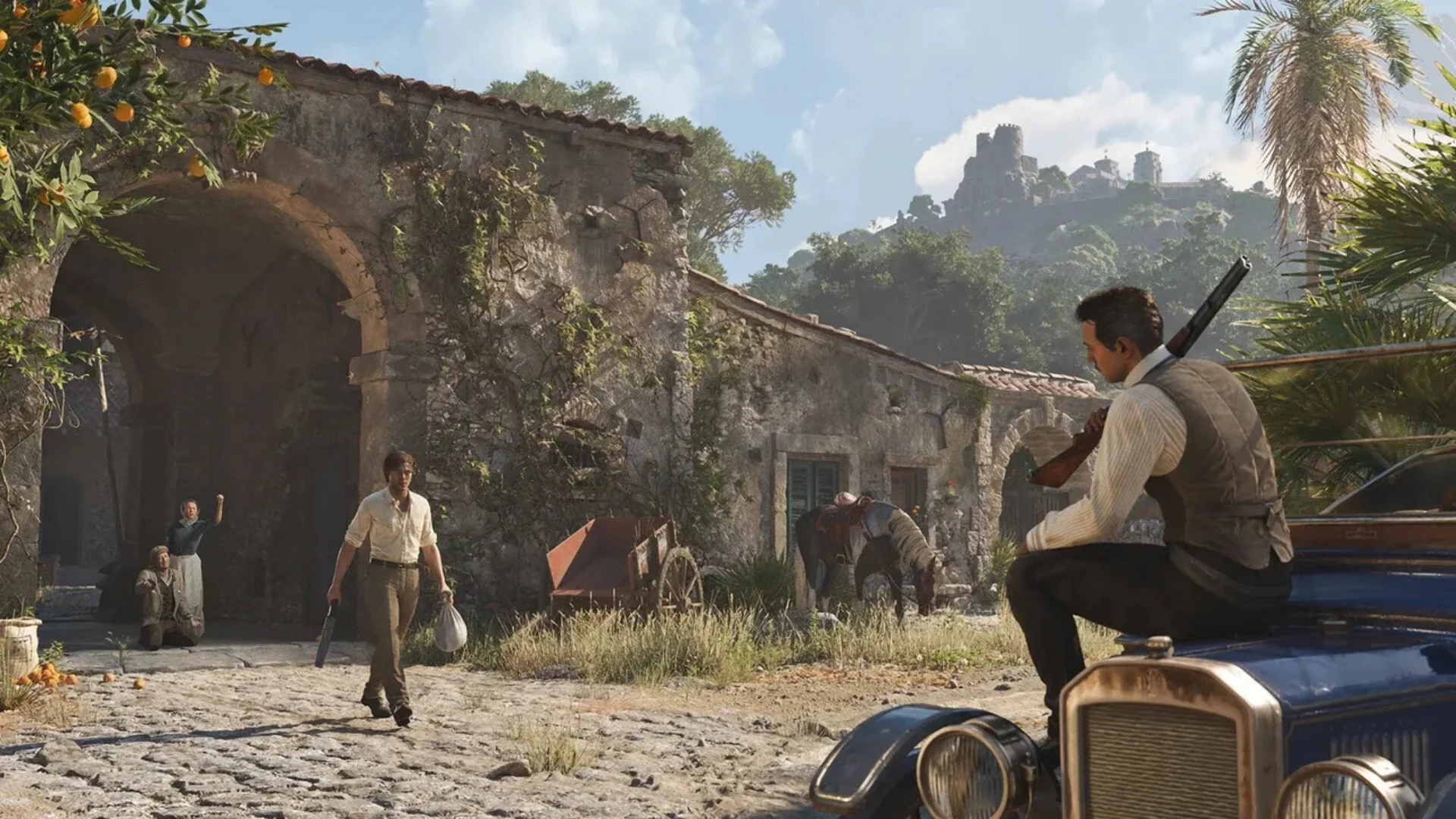
The setting is the main reason The Old Country works. Early 1900s Sicily feels distinct, not just as a backdrop but as the thing shaping every conversation and conflict. The landscape is beautiful, but never soft. Farms, mines, villages, estates, narrow roads, and sun-baked hills all carry a sense of hardship that fits the story’s rise through organized crime.
I liked how grounded the world feels. This is not a flashy mob fantasy full of excess from the first hour. It begins with labor, poverty, fear, and people trying to survive inside systems that already feel rigged against them. That gives Enzo’s path into the Torrisi family a clearer pull. I did not always believe every turn of the plot, but I understood why power would look tempting in a place where weakness gets punished.
The game’s visual detail also does a lot of emotional work. A house, a church, a mine, or a countryside road can say more than some of the dialogue. The Old Country understands the value of texture. It makes Sicily feel lived in, and that helps the story feel more convincing than its familiar crime beats might have otherwise.
Enzo's rise is familiar but still compelling
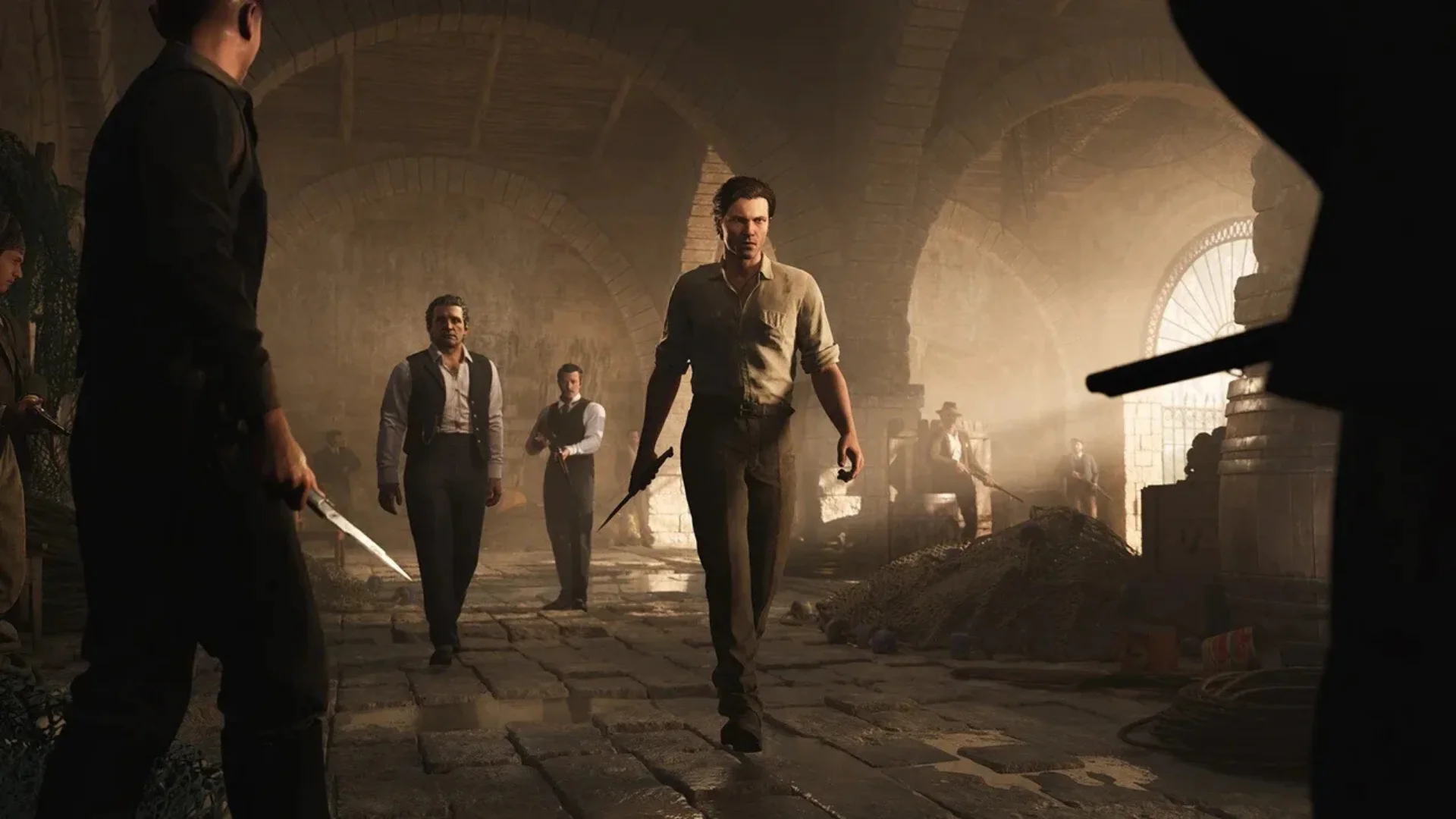
Enzo Favara is not the most surprising protagonist in the series, but he fits the game’s shape. He starts as someone trapped by brutal circumstances and slowly becomes useful to men who offer protection at a price. His story follows a road crime fiction has walked many times, yet the performances and setting keep it watchable.
The writing is strongest when it focuses on obligation. Loyalty in The Old Country is not presented as a clean virtue. It is a bargain, a threat, and sometimes a comfort. Characters speak about family and honor, but the game is always clear about the violence sitting underneath those words. That tension gives the story its best moments.
The weakness is that the plot rarely surprises. I often knew the kind of scene I was walking into before it arrived. Betrayal, ambition, initiation, sacrifice, and revenge all appear in familiar shapes. The game tells that story with confidence, but not much danger. It feels like a well-made crime film I have seen before, just with a setting strong enough to keep me watching.
The linear structure helps more than it hurts
I respect the decision to make The Old Country a linear game. Not every crime game needs a huge map full of activities, and the Mafia series has often worked best when it treats its world as a stage for story rather than a playground. This game knows what it wants to be: a focused, cinematic crime drama with a clear beginning and end.
That focus gives the campaign a good pace. I was rarely buried under distractions, upgrade noise, or side content that diluted the mood. Missions move cleanly from story scene to drive, stealth sequence, shootout, chase, or confrontation. There is something refreshing about a game that simply tells its story and ends before it starts chasing live-service habits.
But the structure can feel too restrictive. Sicily is too beautiful to be used this narrowly, and there were moments where I wanted the game to let me wander more naturally. The separate explore mode helps a little, but it is not the same as making the world feel meaningfully open during the campaign. The game avoids bloat, which is good. It also leaves some of its best spaces feeling underused.
Related Article

news
Assassin’s Creed Black Flag Resynced teams with Red Bull for a real-life Leap of Faith
Jun 1, 20263 min read
The action is serviceable, not memorable
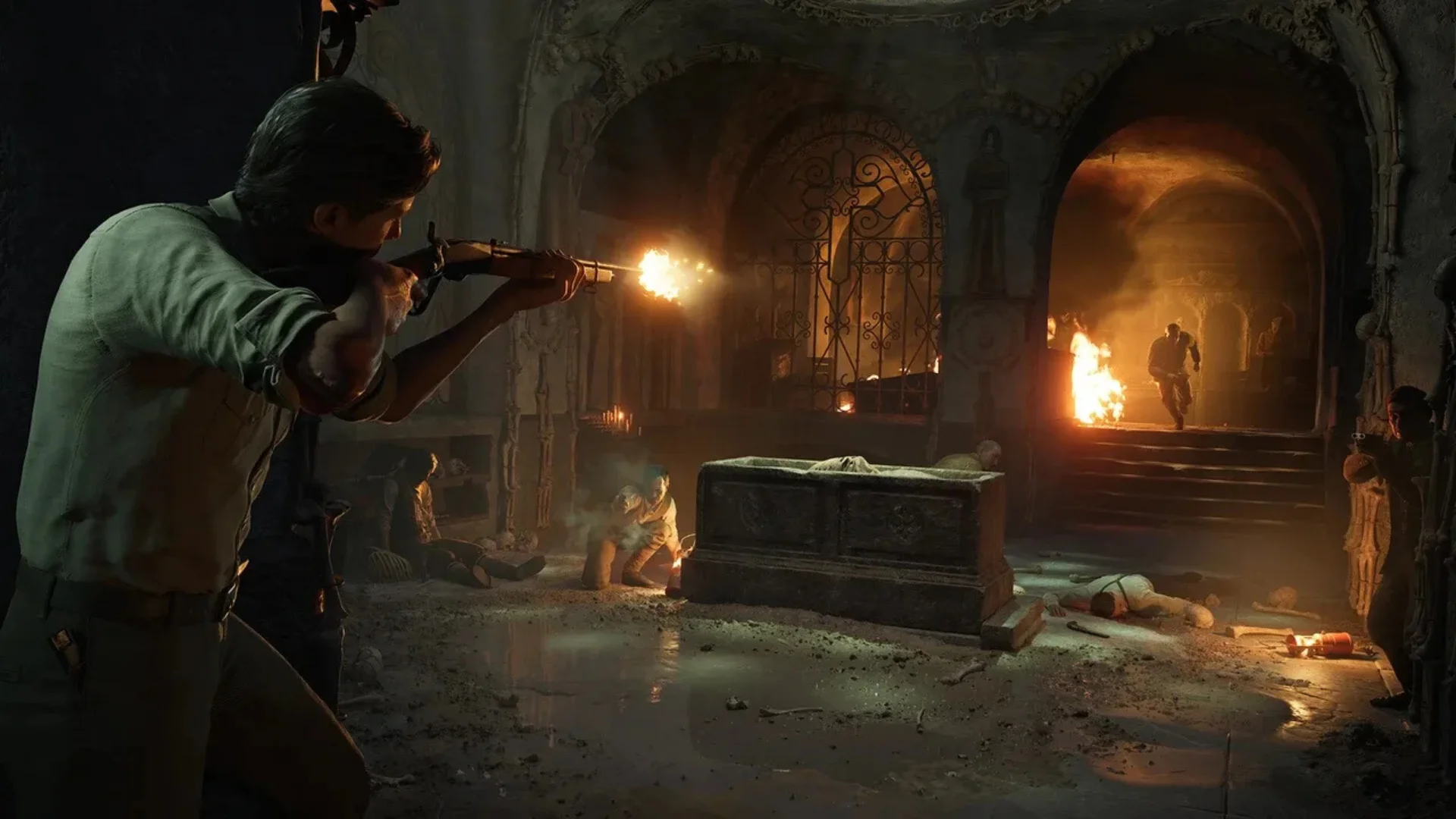
The biggest problem with The Old Country is that the things I spend most missions doing are rarely as interesting as the world around them. The cover shooting works. The stealth works. The driving and horse riding work. But they often feel like systems from an older action game that have been cleaned up rather than reimagined.
The gunfights are straightforward. I take cover, pop out, shoot enemies, move forward, and repeat. There is a certain period charm to the older weapons and slower pace, but the encounters rarely develop into anything special. Stealth has the same issue. It gives missions a quieter rhythm, yet enemy behavior and level design seldom create real tension beyond avoiding obvious patrols.
The knife fights are the most divisive addition. They make sense for the setting and can add a personal edge to confrontations, but they become repetitive quickly. A duel should feel intimate and dangerous. Too often, these fights feel like a small mechanical routine placed where a stronger dramatic moment should be.
The presentation carries more than it should
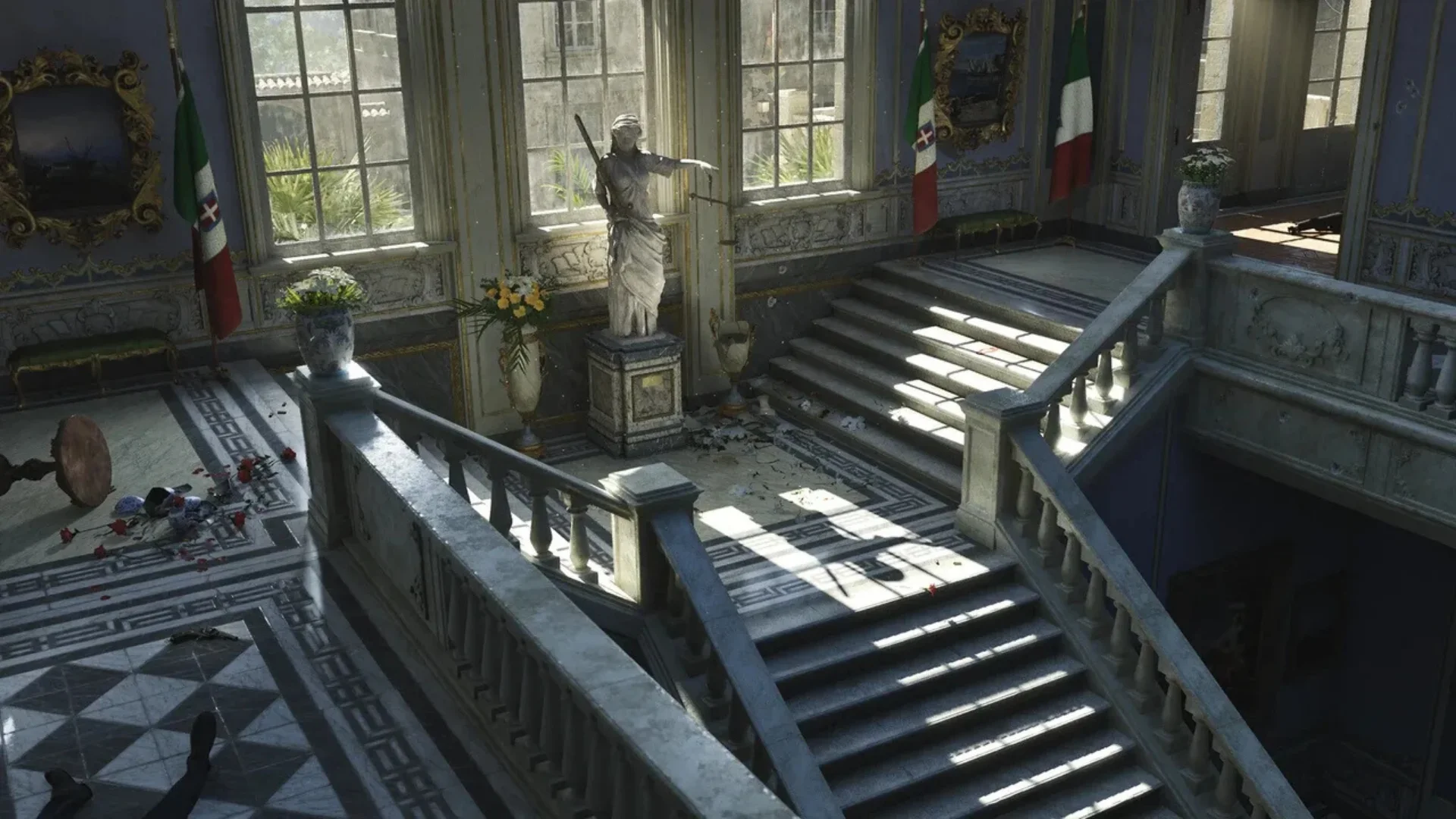
Mafia: The Old Country is a polished cinematic experience in the ways that matter most for its chosen style. The performances are strong, the capture work sells small gestures, and the music supports the tone without overwhelming it. Even when the writing is predictable, the actors often give scenes enough weight to hold attention.
That production quality matters because the gameplay is so plain. A lesser-looking version of this game would struggle badly. Here, the atmosphere keeps pulling the campaign back into shape. I wanted to see the next meeting, the next drive, the next quiet threat, the next beautiful view hiding something ugly beneath it.
Still, presentation can only cover so much. The game often feels close to being a great crime drama, then asks me to play through another basic encounter. That gap never fully disappears. I admired the craft, but I kept wishing the missions had the same confidence as the setting.
Mafia: The Old Country is worth playing for the story
Mafia: The Old Country is not a bold action game, and it is not the strongest entry in the series mechanically. Its missions are simple, its combat is average, and its story leans on familiar crime-drama turns. Players looking for deep systems, freedom, or modern third-person action may find it too stiff.
But I still think it is worth playing for the right audience. It is focused, atmospheric, beautifully staged, and short enough that its weaker systems do not completely wear out their welcome. The Old Country works best as a playable mob film about a young man being pulled into power, loyalty, and violence. It does not change the genre, but it understands the mood, and sometimes that is enough.
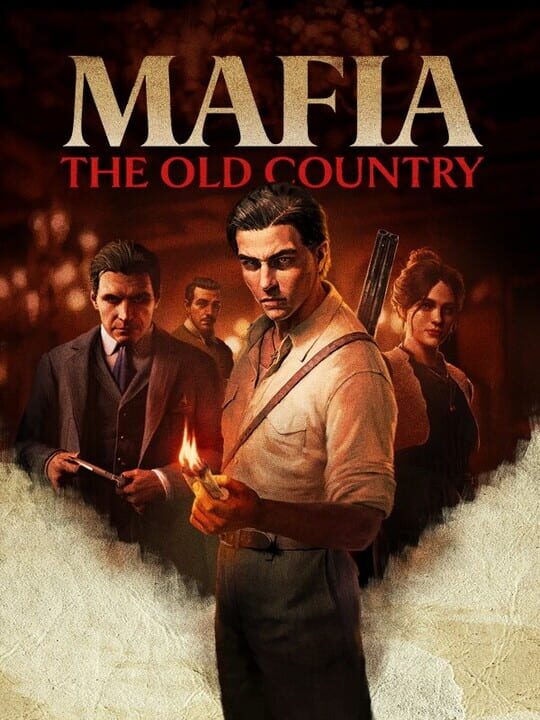
Mafia: The Old Country
Xbox Series X|SPC (Microsoft Windows)PlayStation 5
Released
August 7, 2025
Developer
Hangar 13
Publisher
2K
Systems
Xbox Series X|S
PC (Microsoft Windows)
PlayStation 5