
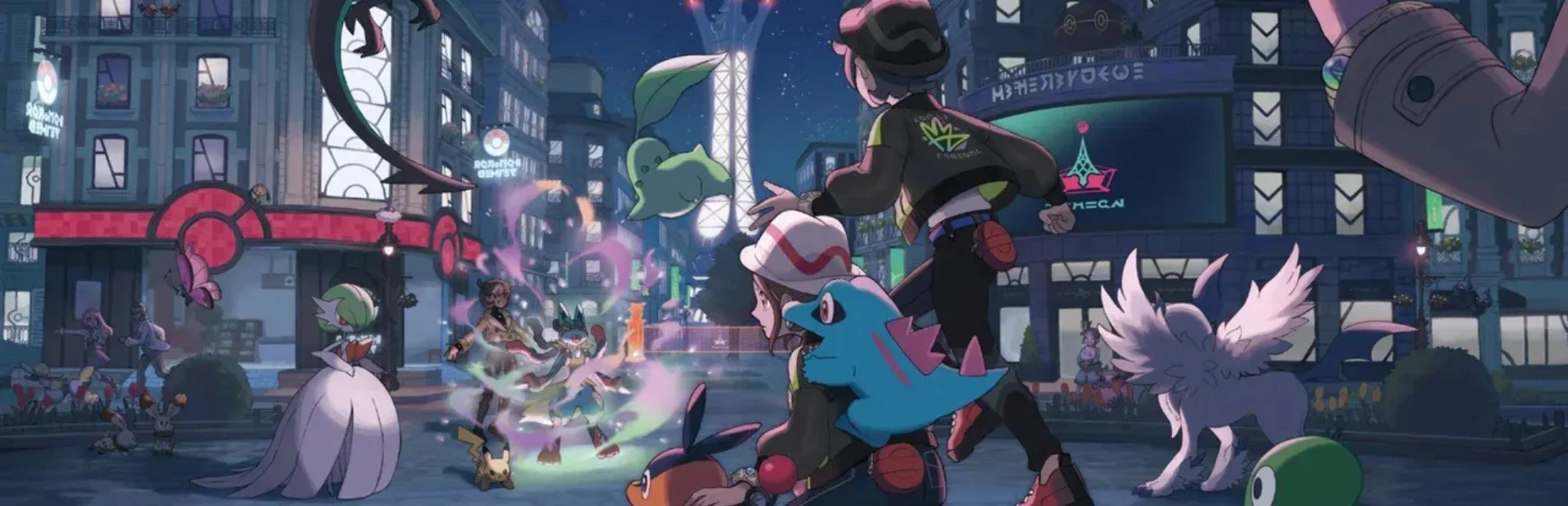
Credit: Game Freak
reviewReview
Pokemon Legends: Z-A makes battles feel new again
June 3, 2026·8 min read
Pokémon Legends: Z-A is the rare modern Pokémon game where the biggest change is also the best reason to play. Game Freak has been nudging the series away from its old habits for years, but this is the first time the battle system feels properly shaken loose. Real-time combat sounds risky for a franchise built on turns, type matchups, and menu decisions, yet it gives Z-A a spark the series badly needed.
The disappointment is that almost everything around those battles feels less daring. Lumiose City is an interesting idea for a whole game, but it often feels too flat and restricted to carry the adventure on its own. The presentation is still behind where a franchise this big should be. The side content is thin. Even so, I kept coming back because the act of battling Pokémon feels sharper, busier, and more alive than it has in years.
Real-time battles give the series a needed jolt
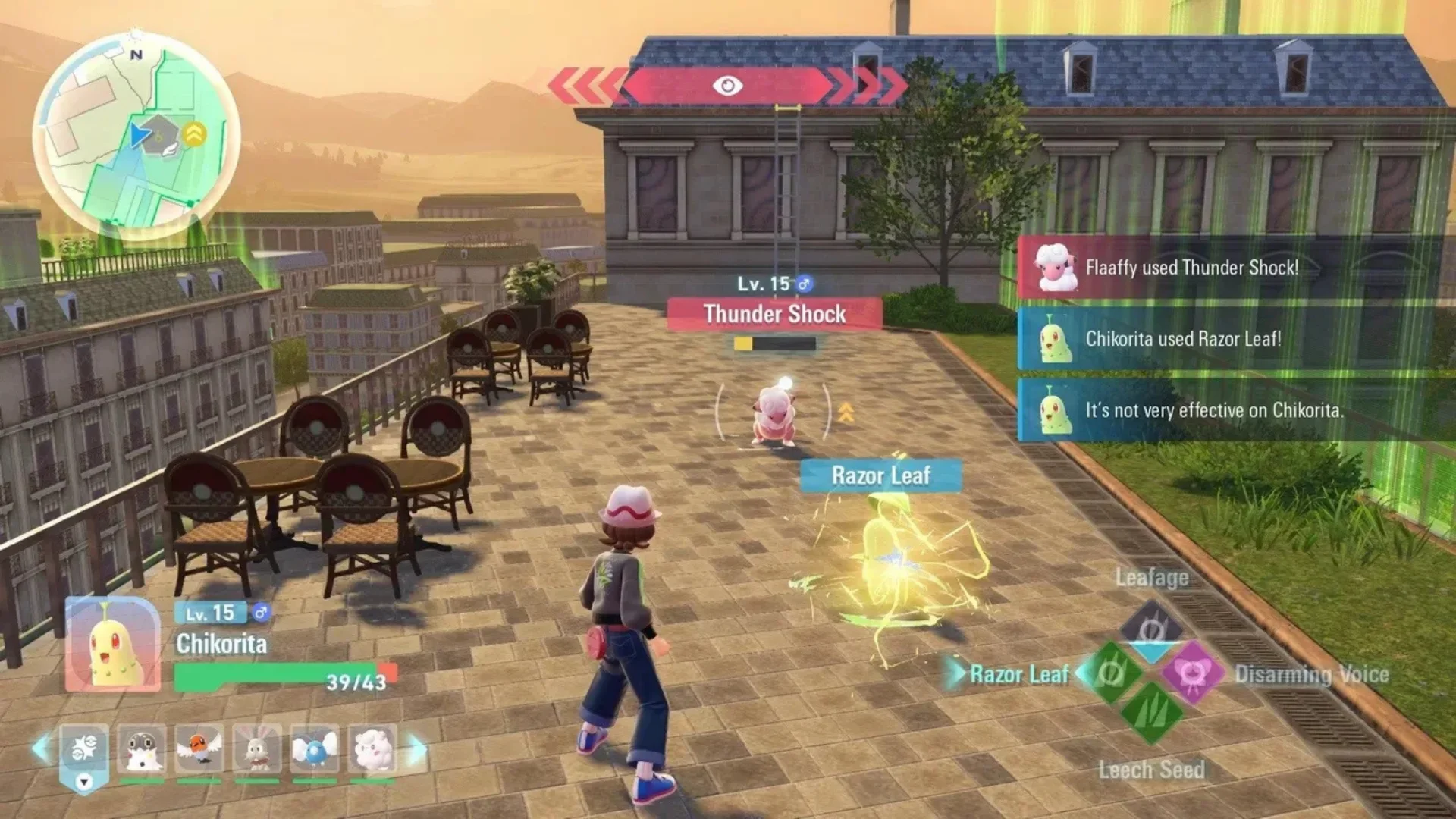
The battle system is the heart of Pokémon Legends: Z-A. Moves now play out in real time, with cooldowns, positioning, range, and timing changing the way fights unfold. That sounds like a simple action-RPG adjustment, but it changes the whole rhythm of Pokémon. I was no longer just choosing the right move from a menu and watching the numbers play out. I had to watch space, read the opponent, and think about when a move would actually land.
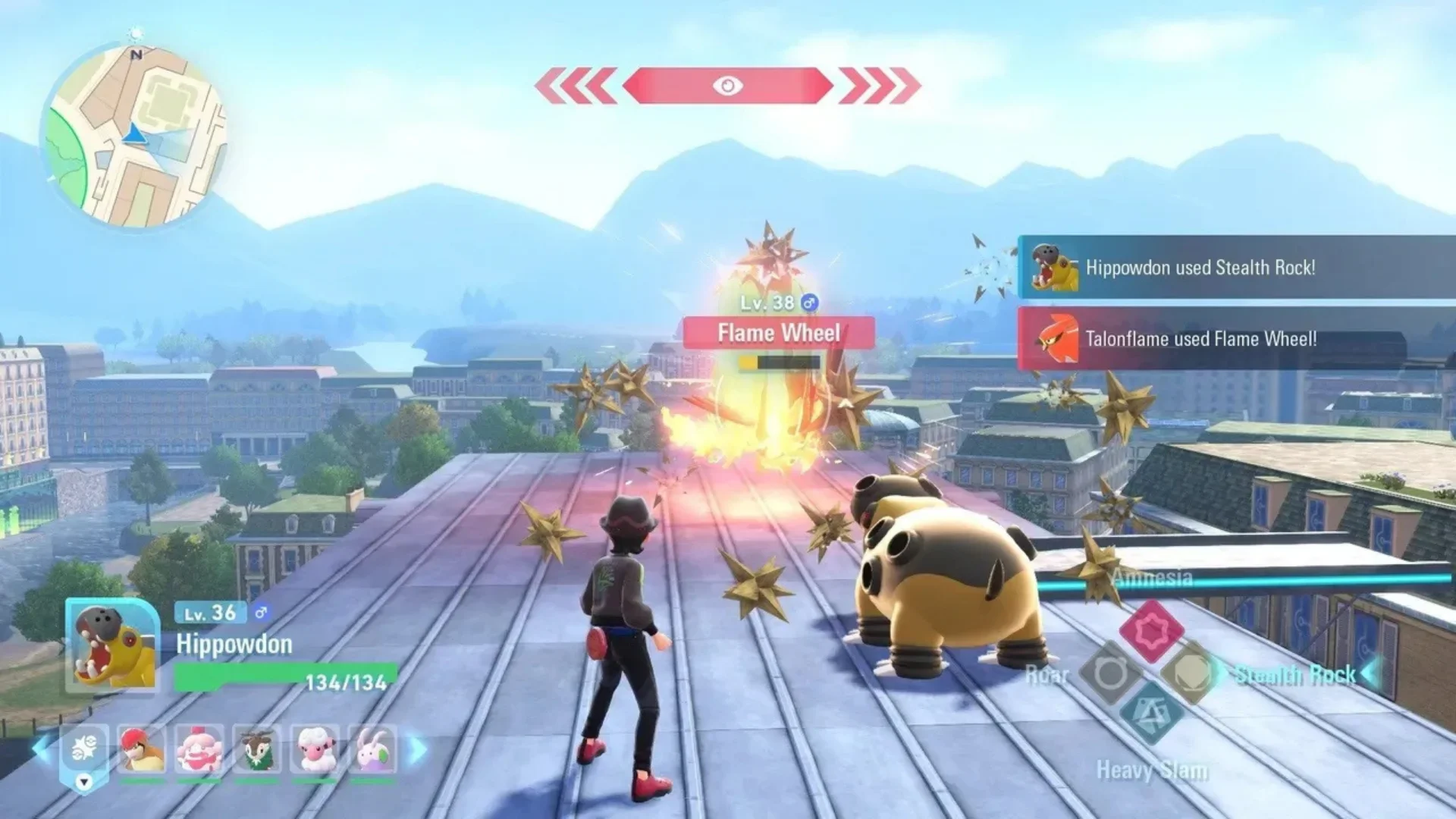
That makes familiar Pokémon feel different in a good way. A move with range, travel time, or an area effect has its own character now. Close-range attacks feel risky. Status moves and hazards have more obvious physical presence. A strong attack can whiff if I use it badly, which makes the fight feel less like a spreadsheet and more like a small arena. Type matchups still matter, but they are no longer the only thing I am thinking about.
The system is not perfect. It can be messy when several things happen at once, and some battles are more exciting than tactically deep. But it gives the series a new kind of energy. After so many years of watching Pokémon stand across from each other, seeing them move, reposition, and pressure each other makes the fantasy feel closer to what the anime always suggested.
Lumiose City is a bold idea with limits
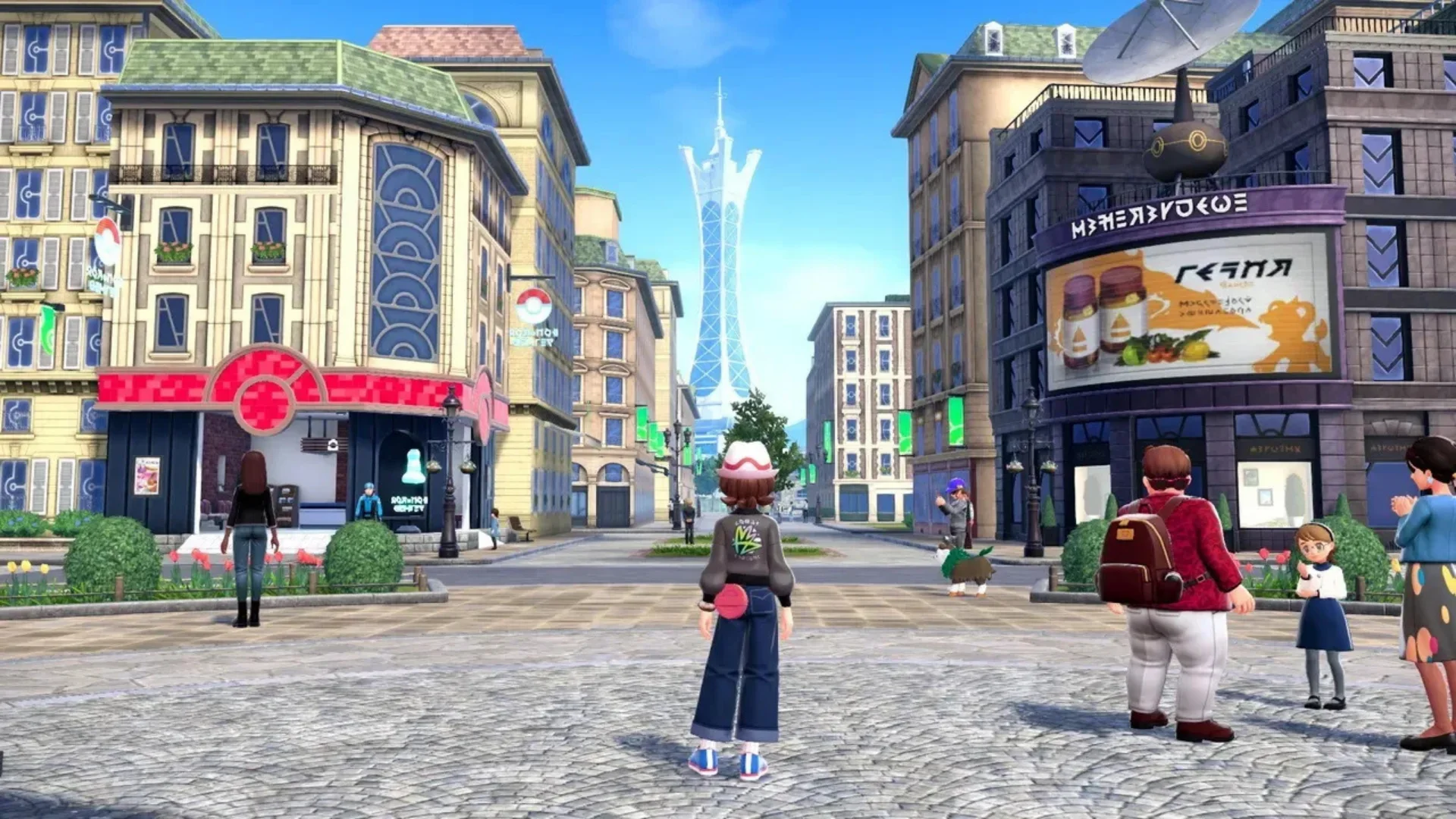
Setting the whole game inside Lumiose City is one of Z-A’s most interesting choices. In theory, it gives the game a tighter identity than a normal region. Instead of crossing towns, caves, routes, and seas, I am learning one giant city through districts, alleys, rooftops, plazas, cafes, and Wild Zones. That focus makes sense for a Legends game built around urban redevelopment and close-quarters battling.
At its best, Lumiose gives Pokémon a slice-of-life feeling the main games rarely hold onto for long. People and Pokémon share the city. Battles happen in structured spaces. The day-night cycle gives the Z-A Royale a clear rhythm. I liked the idea that a Pokémon adventure could be less about leaving town and more about seeing one place change around me.
The problem is that Lumiose does not have enough variety to fully support that promise. Too many streets blur together, and the city often feels more functional than alive. The Wild Zones give the catching loop a place to breathe, but they cannot replace the thrill of a varied region. After a while, I missed the feeling of crossing into a new biome and not knowing what might live there.
Catching is still fun, but less magical than Arceus

Pokémon Legends: Arceus made catching feel physical, sneaky, and immediate. Z-A keeps some of that DNA, but it shifts the focus more heavily toward combat. I still enjoyed building out the Pokédex, hunting for specific species, and finding stronger Pokémon in the city, but the act of discovery is less powerful this time.
Part of that comes from the setting. A city full of Wild Zones cannot match the feeling of roaming open fields, forests, mountains, and shorelines in search of something rare. Z-A is more controlled. It is easier to understand where things are, but that also makes the world feel less mysterious.
There are still satisfying moments. Finding an Alpha, spotting a Pokémon I wanted, or adjusting my team around the new battle system kept the collection loop alive. The smaller Pokédex also makes completion feel more realistic. But compared with Arceus, the catching side feels less like an expedition and more like another part of the city’s routine.
Mega Evolution is more than nostalgia
Mega Evolution gives Z-A a strong hook, especially for players who still have a soft spot for Kalos. It fits the setting, gives the Z-A Royale a sense of spectacle, and adds a familiar burst of power to the new battle system. More importantly, it gives certain fights a dramatic rhythm that the game needs.
I liked having Mega Evolution back because it changes the mood of a battle quickly. It is flashy, but it also gives team-building a clearer focal point. Choosing which Pokémon to build around and when to trigger that shift adds a little extra pressure to tougher fights. In a real-time system, that power spike feels more active than it did before.
It does not solve the game’s deeper problems, and some Mega moments feel more like fan service than meaningful design. But I would rather have a Pokémon game that leans into a strong mechanic than one that spreads itself thin across too many new gimmicks. Z-A knows Mega Evolution is one of its best cards, and it plays it well enough.
Related Article

newsBreaking
June could be a big month for The Legend of Zelda fans
May 22, 20263 min read
The presentation still feels behind the ambition
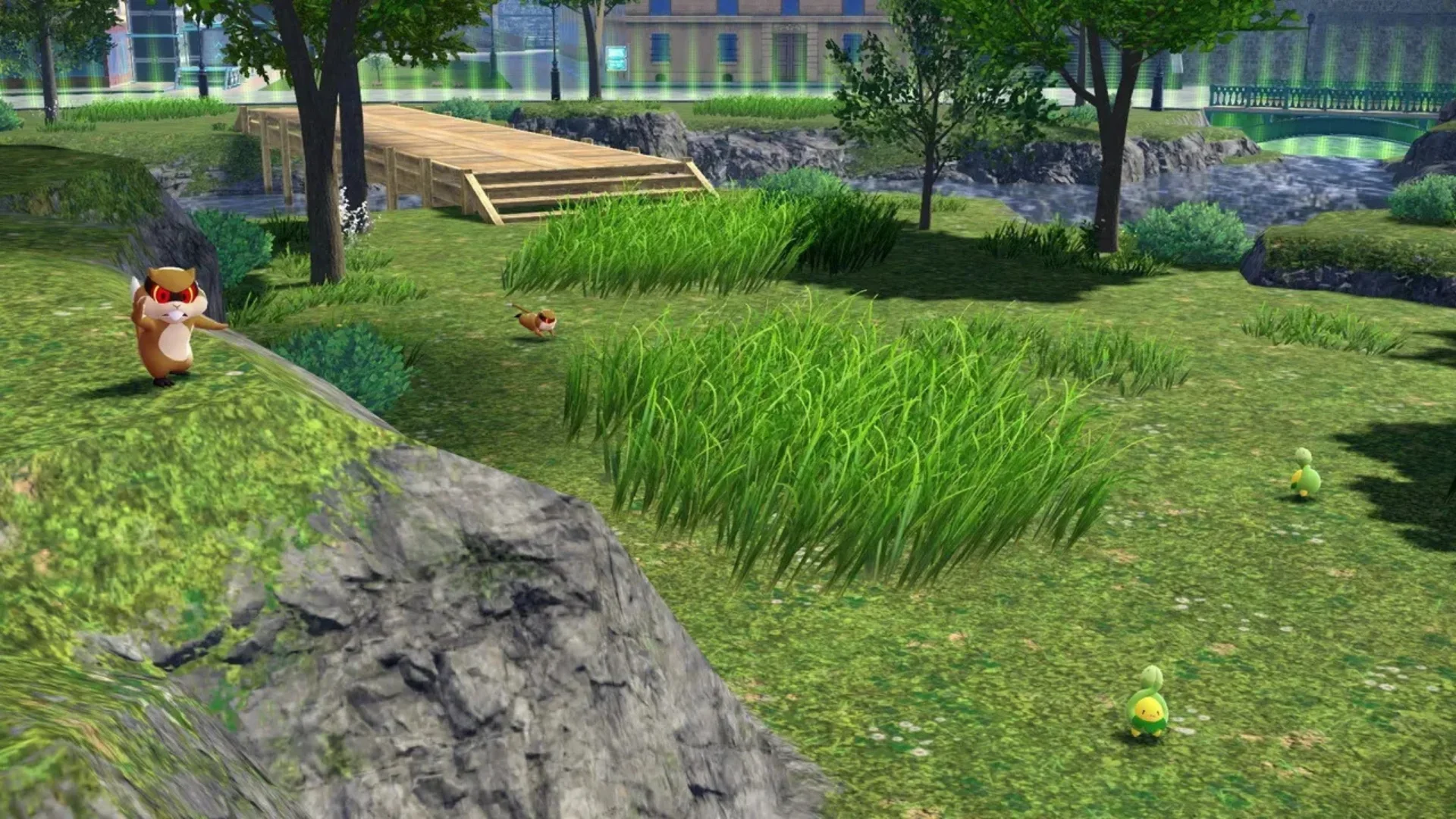
The most frustrating thing about Pokémon Legends: Z-A is how often the design feels ahead of the presentation. The battle system is fresh. The single-city concept is interesting. The performance is more stable than the series has often managed recently, especially on newer hardware. But the world still looks plain in too many places.
Lumiose should feel dense, stylish, and full of small urban detail. Instead, it can look empty, flat, and oddly sterile. Buildings repeat. Streets lack personality. Character animation and environmental detail rarely match the imagination of the Pokémon themselves. For a game set in a city inspired by fashion, design, and nightlife, it often looks too clean in the wrong way.
That gap matters because Z-A wants one city to carry the whole game. A limited setting needs richness. It needs corners worth remembering. It needs visual density and a strong sense of place. The game has enough charm to keep going, but not enough detail to make Lumiose feel like the city it wants to be.
The side content does not carry enough weight
The main loop of battling, ranking up, catching Pokémon, and moving through Lumiose is enjoyable, but the side content is thinner than it should be. Side missions often feel brief, simple, or predictable. Some add a little flavor to the city, but few create the kind of stories I wanted from a game so focused on one place.
That is a missed opportunity. A city-based Pokémon game should be full of odd local problems, memorable trainers, neighborhood stories, strange Pokémon behavior, and little incidents that make the place feel lived in. Z-A has some of that, but not enough. Too often, side content feels like a light task rather than a reason to care about Lumiose.
The Z-A Royale gives the game a stronger central structure. Night battles, ranked progression, and the slow climb through opponents create a clear forward pull. It is a smart way to make the city feel competitive. But outside that structure, the world can feel underwritten. I wanted more texture between the battles.
Pokemon Legends: Z-A is worth playing for the battles
Pokémon Legends: Z-A is uneven, but it is not forgettable. The real-time battle system is the most exciting change the series has made in years, and it gives familiar Pokémon a sense of motion and pressure that the franchise should not walk away from. Mega Evolution fits the format well, the performance is steadier than expected, and the tighter structure makes the game easy to keep playing.
I would recommend it to players who want to see Pokémon experiment with how battles feel. Anyone hoping for the wide exploration and discovery of Legends: Arceus may come away disappointed, and players tired of the series’ weak presentation will find plenty to criticize. For me, the new combat carries the game. Z-A does not make Lumiose as magical as it should be, but it does make Pokémon battles feel exciting again, and that is a change worth paying attention to.

Pokémon Legends: Z-A
Nintendo Switch 2Nintendo Switch
Released
October 16, 2025
Developer
Game Freak
Publisher
Nintendo
Systems
Nintendo Switch 2
Nintendo Switch