

Credit: FromSoftware
reviewReview
Elden Ring Nightreign is a bold experiment with uneven results
May 26, 2026·7 min read
Elden Ring Nightreign is not the follow-up most people would have imagined after Elden Ring and Shadow of the Erdtree. It is not another huge open-world RPG, and it is not a traditional Soulsborne adventure with a long lonely pilgrimage through ruined kingdoms. It is a faster, stranger, match-based spin-off that cuts FromSoftware’s combat into short co-op expeditions and asks three players to survive long enough to kill a final boss.
That idea sounds almost wrong on paper. Elden Ring’s best moments often came from wandering, getting distracted, finding something awful in a cave, then returning hours later with more confidence and a better weapon. Nightreign removes much of that sprawl and replaces it with pressure. The result is a game I admired more than I expected, even when I missed the quiet dread and personal discovery that made Elden Ring so special.
Limveld makes Elden Ring feel urgent
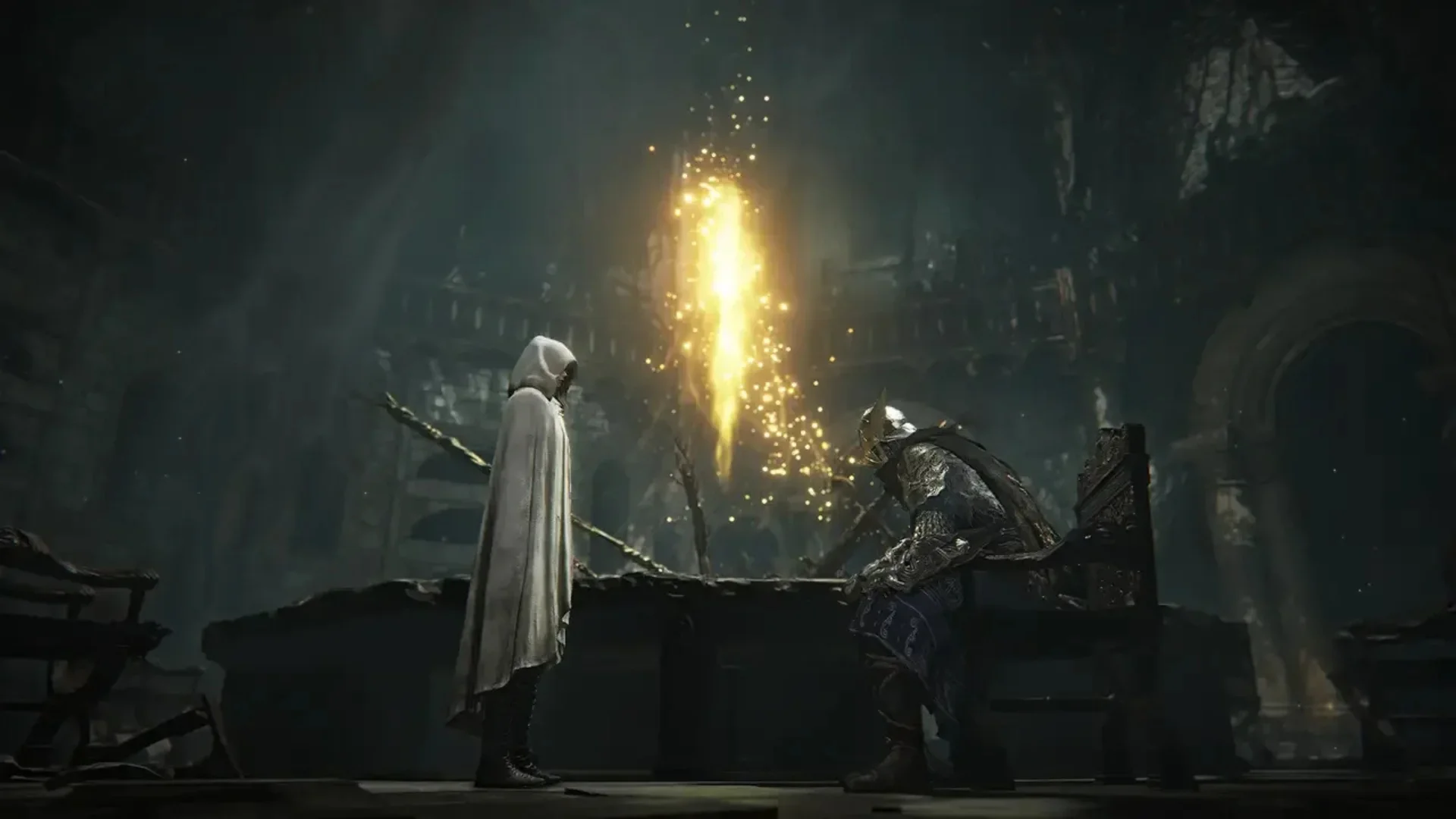
Nightreign takes place in Limveld, a reshaped version of familiar Elden Ring ideas built for repeated runs instead of slow exploration. Each expedition has a simple rhythm. I drop in, search for gear, level up quickly, fight smaller threats, survive the closing danger, and prepare for the Nightlord waiting at the end. It takes the language of Elden Ring and forces it into a much tighter structure.
That compression gives the game a surprising amount of energy. I cannot drift for too long or spend half an hour staring at ruins in the distance. I need runes, weapons, flask upgrades, and enough confidence to survive the next boss. The shrinking map keeps pushing me forward, and that pressure turns every detour into a small gamble. Do I chase one more upgrade, or do I meet the team before the next fight starts?
The loss is obvious. Nightreign does not have the same sense of wonder as Elden Ring. It cannot, because it is built around repetition and speed rather than patient discovery. The world still has mood, but it feels more like a dangerous board than a place I am slowly uncovering. I enjoyed the urgency, but I missed the feeling of being alone with a horizon that did not care where I went next.
Related Article

newsBreaking
Kingdom Come studio confirms its rumored Lord of the Rings RPG is real
May 21, 20263 min read
The best runs feel like organized panic
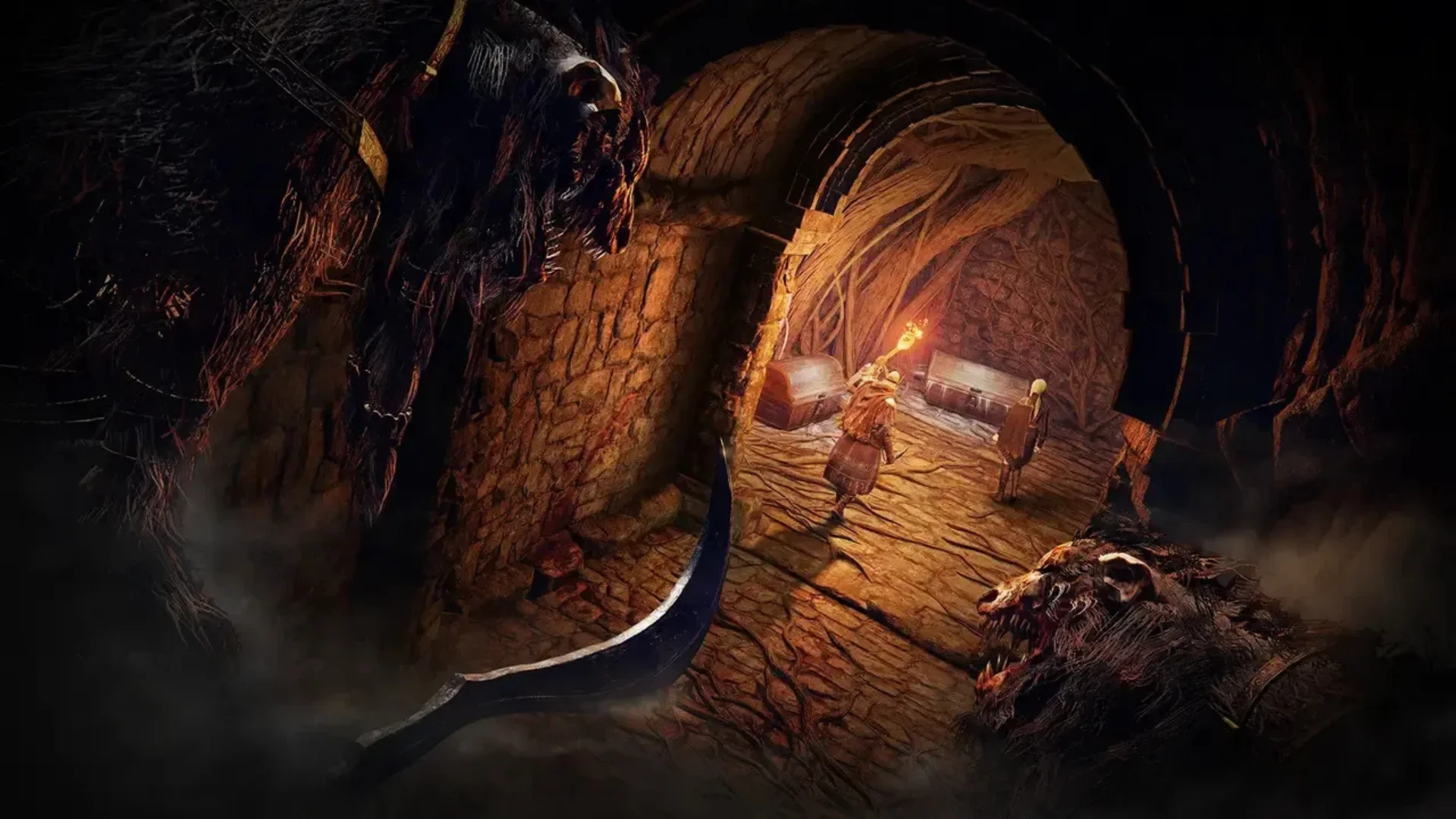
Nightreign makes the most sense when a run starts badly and somehow survives. A teammate gets caught alone. A boss takes longer than expected. The group wastes time on a poor route. Someone reaches the final stretch underleveled, with bad gear and no real plan. Then, somehow, the team steadies itself and drags the run back from the edge.
That is where the co-op design finds its own identity. FromSoftware’s combat has always been about learning through punishment, but Nightreign adds the social pressure of failing in front of two other players. I became more aware of my decisions because they affected the whole group. A greedy push for loot could leave someone stranded. A rushed boss attempt could cost everyone time. A clean revive could save an entire expedition.
The game does not need constant voice chat to create tension, though it clearly benefits from coordination. Pings, movement, and simple group instincts can carry a lot. Still, playing with strangers can be uneven. Sometimes everyone understands the rhythm without a word. Other times, the whole run slowly falls apart because three people are playing three different games. That unpredictability is part of the thrill, but it can also turn a promising expedition into a quiet frustration.
Combat is familiar, but the pace changes everything
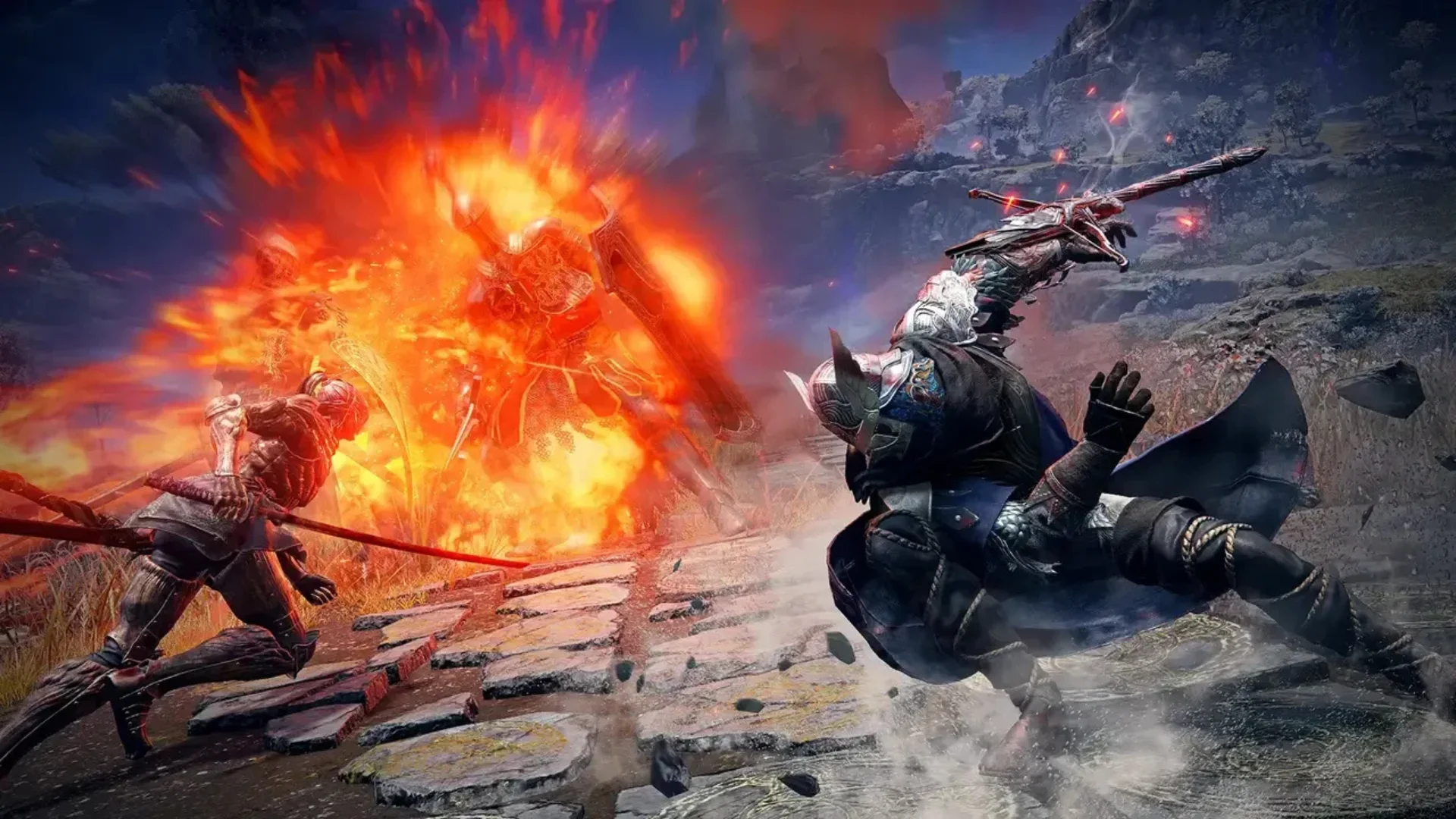
Nightreign still feels like Elden Ring when the fighting starts. Dodges need timing, boss patterns need respect, and a careless mistake can ruin a good position quickly. The weapons and abilities give the game enough of that old FromSoftware weight, even when the structure around them has changed completely.
The difference is how fast the game asks me to adapt. In Elden Ring, I could build toward a style over dozens of hours. In Nightreign, I have to make peace with what the run gives me. I might not get the weapon I wanted. I might need to take a route I would normally avoid. I might have to fight with a setup that feels awkward because there is no time to be precious. That pressure gives combat a scrappy edge.
The fixed characters help the game avoid becoming a random mess. Each Nightfarer has a clearer role and identity than a custom Elden Ring build would in this format. That gives teams some shape, but it also narrows the fantasy. I missed the freedom of slowly turning a strange build into my own. Nightreign offers speed and clarity instead, and while that trade is usually smart, it does make the game feel less personal.
The roguelike structure fits better than expected

Nightreign borrows from roguelikes without turning Elden Ring into a completely different species. Runs are built around short-term decisions, imperfect loot, repeated failure, and gradual understanding. The more I played, the more I started reading the map differently. I learned which risks were worth taking, when to stop looting, and how badly one slow decision could damage the final fight.
That learning curve has a good hook. The first few runs can feel chaotic, even unfair, but the game becomes clearer once I understand the rhythm. Level quickly. Respect the timer. Do not wander too far from the group unless there is a reason. Treat every upgrade as part of the final boss fight rather than a temporary reward. Nightreign becomes more satisfying once I stop trying to play it like Elden Ring.
The structure does repeat, though. Some bosses, routes, and early-run choices start to lose their surprise once the pattern settles in. FromSoftware’s combat keeps the loop interesting longer than it might have been in another studio’s hands, but Nightreign cannot fully escape the feeling that it is recycling drama. The best runs feel tense and memorable. The weaker ones can feel like practice before the real attempt begins.
Playing alone exposes the weak spots
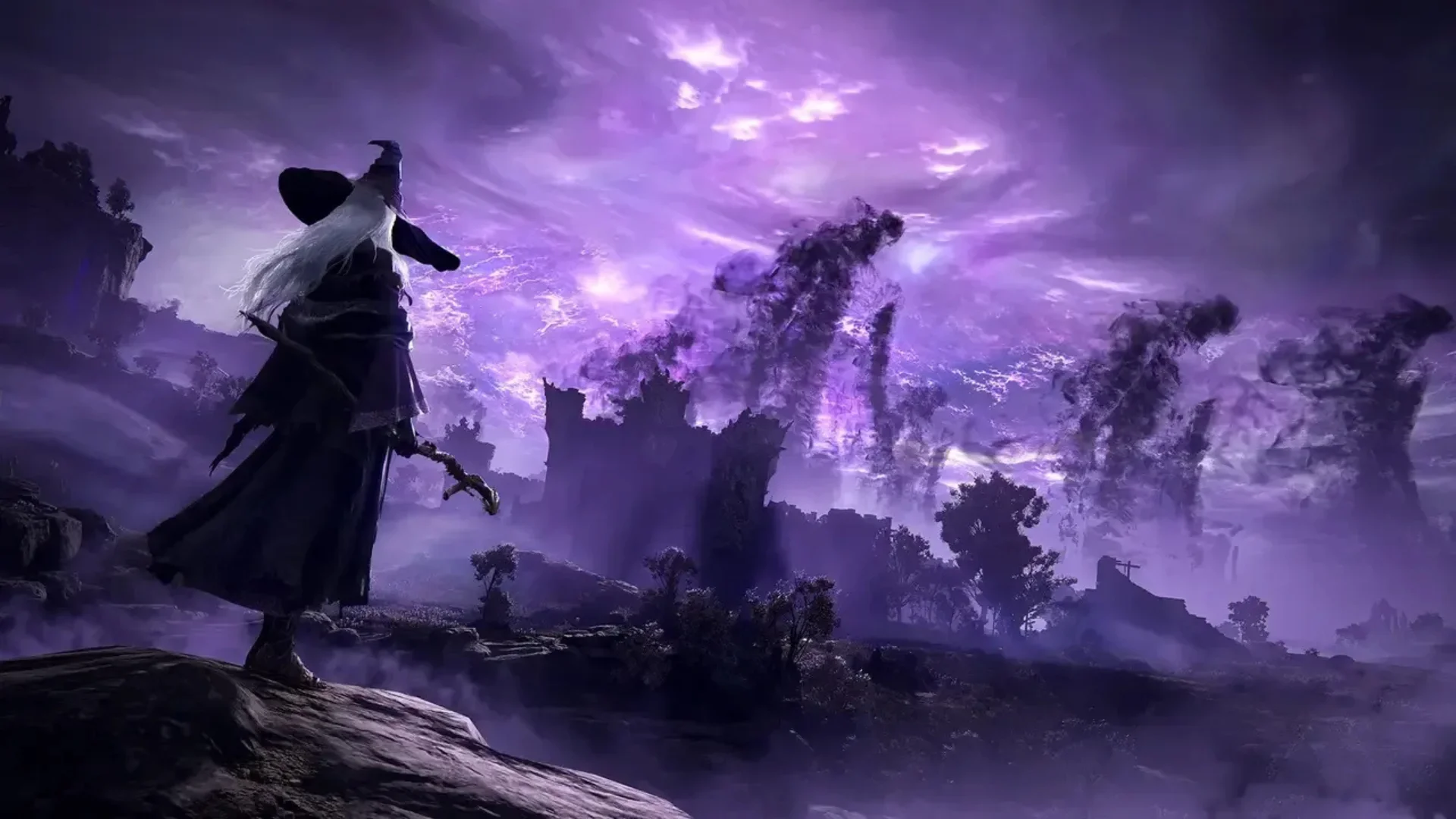
Nightreign can be played without a full team, but it feels built around co-op at its core. Solo play changes the mood completely. It becomes colder, harsher, and sometimes more irritating than tense. Without teammates to revive, distract, or split pressure, the game’s pace can feel less like exciting urgency and more like a timer leaning on my neck.
That does not mean solo play has no appeal. There is a certain satisfaction in surviving a run alone and knowing every recovery came from my own decisions. But the game loses much of its best texture when there is no one else sharing the mess. Nightreign’s funniest and most memorable moments usually come from other players making a bad call, saving a doomed fight, or dragging the team into trouble by accident.
The lack of smooth social flexibility hurts the game more than the difficulty itself. A co-op-focused spin-off needs to make grouping feel effortless, and Nightreign is not always as welcoming as it should be. The combat may be sharp, but the surrounding multiplayer structure can feel stubborn in ways that do not add much. When the game makes it easy to get into a good run, it shines. When it gets in the way, the frustration feels unnecessary.
Related Article

newsBreaking
Xbox Game Pass just got 4 new games worth trying this week
May 19, 20263 min read
Nightreign is strongest when judged on its own terms
Elden Ring Nightreign is not a replacement for Elden Ring, and it becomes less interesting when treated like one. It is smaller, faster, and far less mysterious. It trades lonely exploration for team pressure, long-term character building for quick adaptation, and slow discovery for repeated survival runs. Some of those trades hurt. Others give FromSoftware’s combat a fresh shape.
I would recommend Nightreign to players who already enjoy Elden Ring’s boss fights and want a co-op game built around pressure, improvisation, and repeated attempts. I would not recommend it as someone’s first step into this world, and I would be careful with it if you mainly loved Elden Ring for solitude, wandering, and atmosphere. Nightreign is uneven, sometimes awkward, and not always generous, but it is also brave in a way I respect. It takes one of modern gaming’s most beloved formulas and bends it into something risky. Not every part holds, but enough of it does.

Elden Ring Nightreign
Xbox Series X|SPlayStation 4PC (Microsoft Windows)
Released
May 30, 2025
Developer
FromSoftware
Publisher
Bandai Namco Entertainment
Systems
Xbox Series X|S
PlayStation 4
PC (Microsoft Windows)
PlayStation 5
Xbox One