
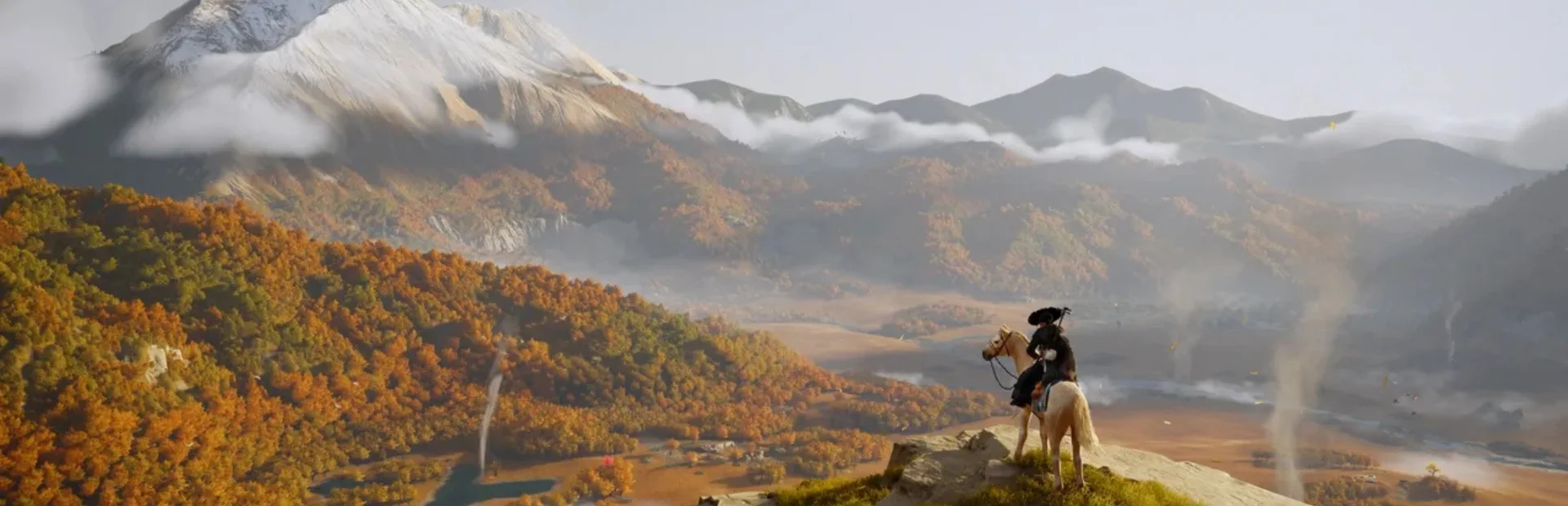
Credit: Sucker Punch Productions
reviewReview
Ghost of Yōtei is a sharper and more personal sequel
May 26, 2026·7 min read
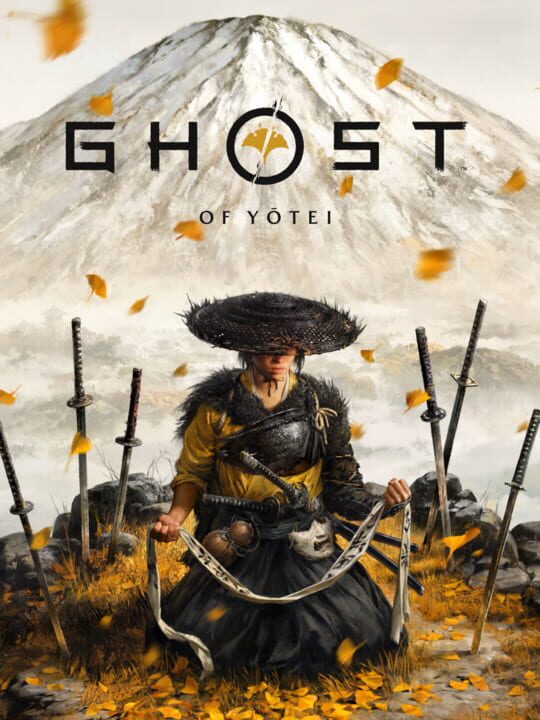
Ghost of Yōtei is exactly the kind of sequel I wanted from Sucker Punch, even if it rarely tears up the blueprint. It takes the structure of Ghost of Tsushima, moves the story hundreds of years forward, and builds a colder, more personal revenge tale around Atsu, a new protagonist with a very different presence from Jin Sakai.
That familiarity is not always a weakness. I knew the rhythm quickly: ride through open country, follow clues, clear enemy camps, track side stories, improve gear, and let the landscape pull me away from the main path. What makes Yōtei stronger is how much more focused it feels. It still has the shape of a big PlayStation open-world game, but it wastes less of my time and gives its revenge story enough bite to carry the journey.
Atsu gives the story a harder edge
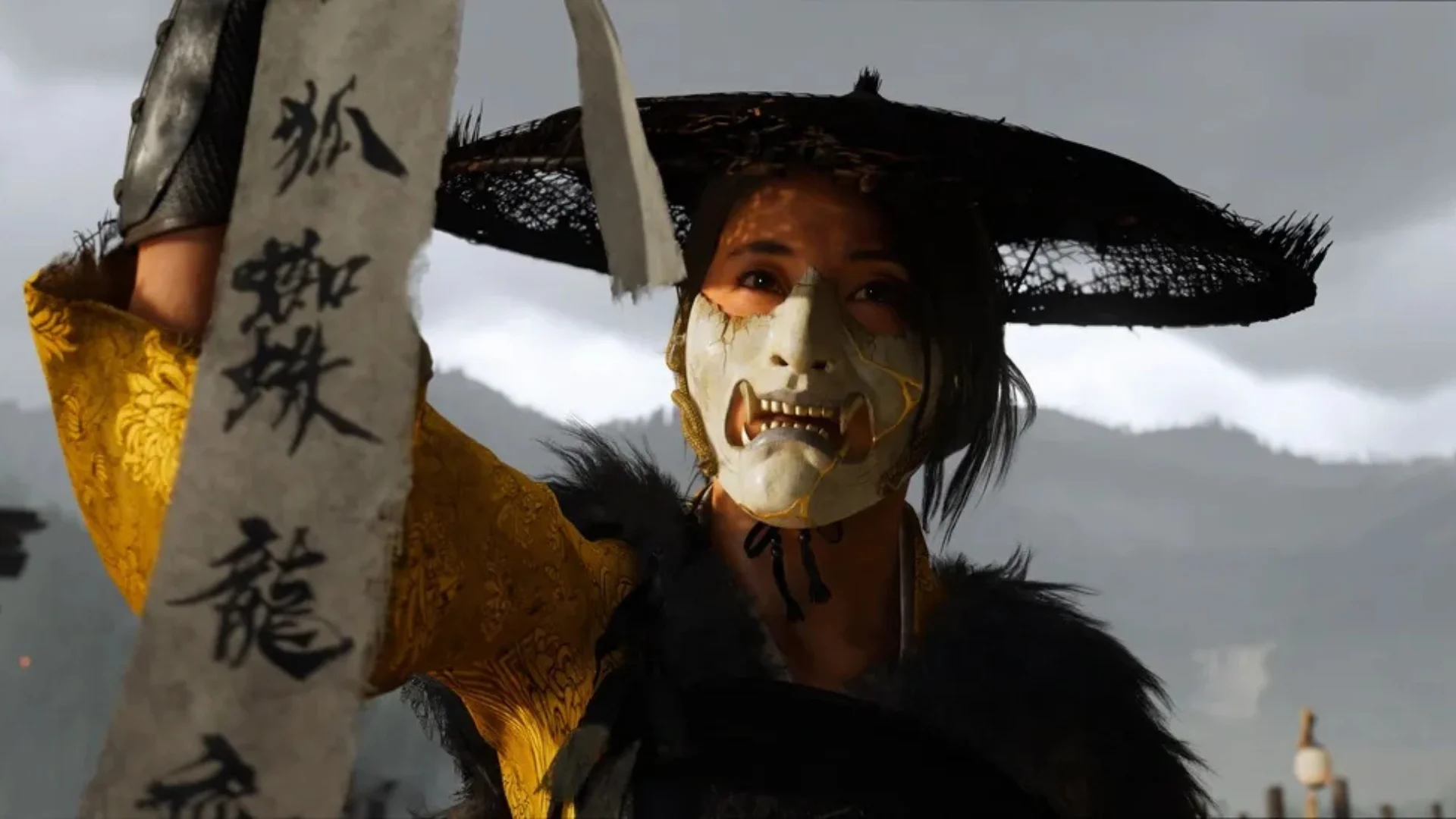
Atsu is the main reason Yōtei feels different from Tsushima. Jin’s story was about duty, tradition, and the cost of becoming something his world could not fully accept. Atsu’s story is rougher and more direct. She is not trying to protect an old order. She is hunting the people who destroyed her life, and the game is at its best when it lets that anger sit plainly on the screen.
That makes the revenge structure feel more personal than grand. The story is not subtle, and it does not need to be. Atsu’s pursuit of the Yōtei Six gives the campaign a simple, sharp spine. Each target gives the journey a new shape, and the game uses that structure to keep the main path from feeling like a loose chain of errands.
The writing still has moments where it leans too hard on familiar dramatic beats. A few scenes explain more than they need to, and some supporting characters are easier to understand than to care about. But Atsu carries the game through those softer stretches. She has enough pain, impatience, and resolve to make the story feel grounded, even when the larger revenge tale follows roads I have walked before.
Related Article
newsBreaking
007: First Light shows its first 13 minutes after early copies leaked
May 26, 20263 min read
Ezo is beautiful without feeling overstuffed
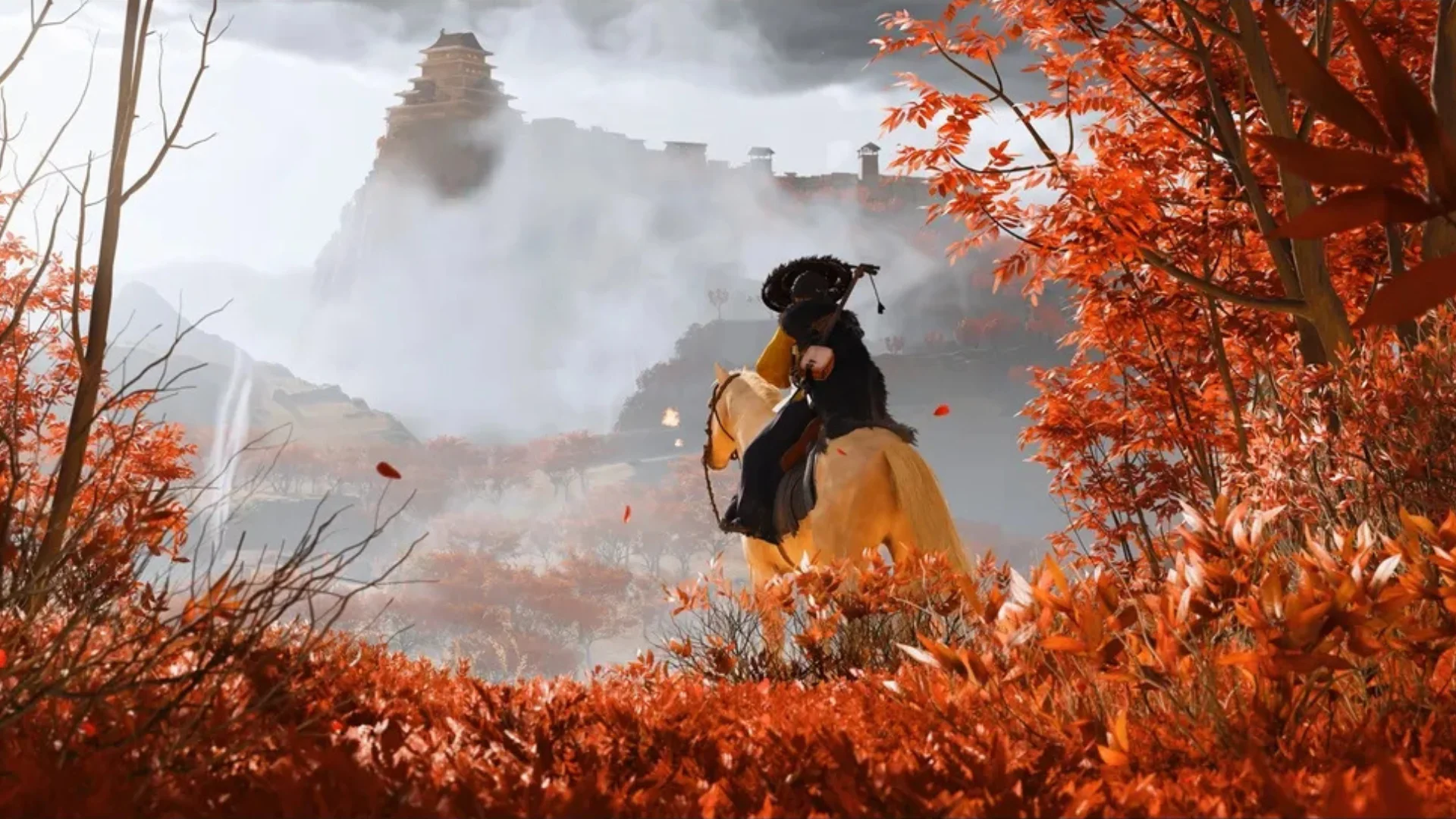
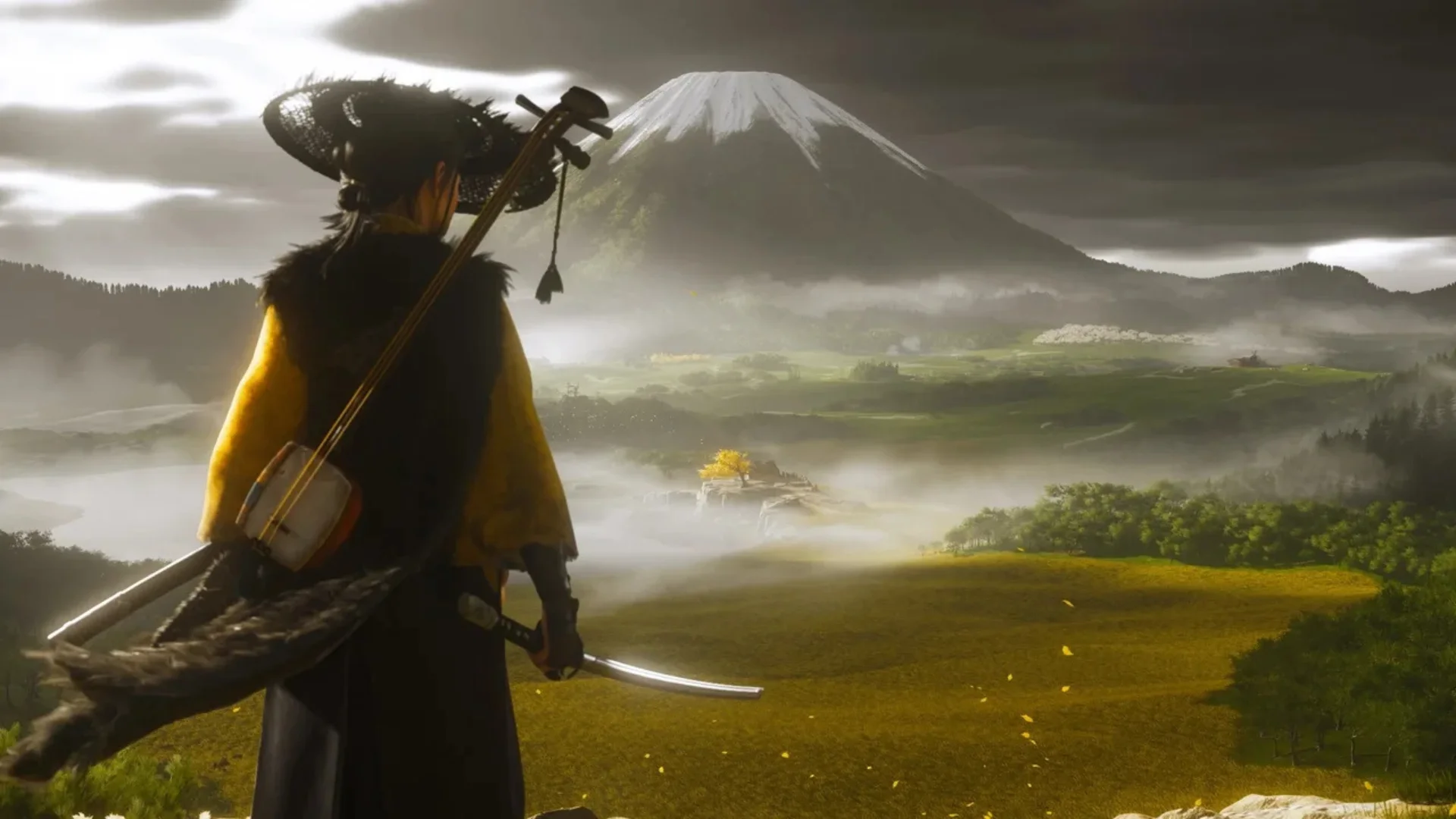
Yōtei’s version of Ezo is one of the game’s biggest strengths. The world is wide, cold, and often quiet, with snowy fields, forests, hot springs, camps, shrines, villages, and long stretches of country that invite detours without burying the map in noise. It is a beautiful game, but the scenery does more than sit there for screenshots. It gives the journey a sense of distance.
Exploration feels freer than it did in Tsushima. The game still points me toward activities, but it does not always feel like I am clearing a checklist. I often followed smoke, sound, animals, paths, or a break in the trees simply because the world looked like it had something waiting there. When Yōtei trusts that kind of pull, it becomes easy to lose an hour without feeling managed.
There is still familiar open-world repetition underneath it all. Camps, collectibles, side activities, and upgrades follow patterns I recognized quickly. The difference is that Yōtei is better at hiding the machinery. It gives me enough space, mood, and small rewards to make repeated tasks feel less mechanical than they could have been.
Combat feels cleaner and more flexible
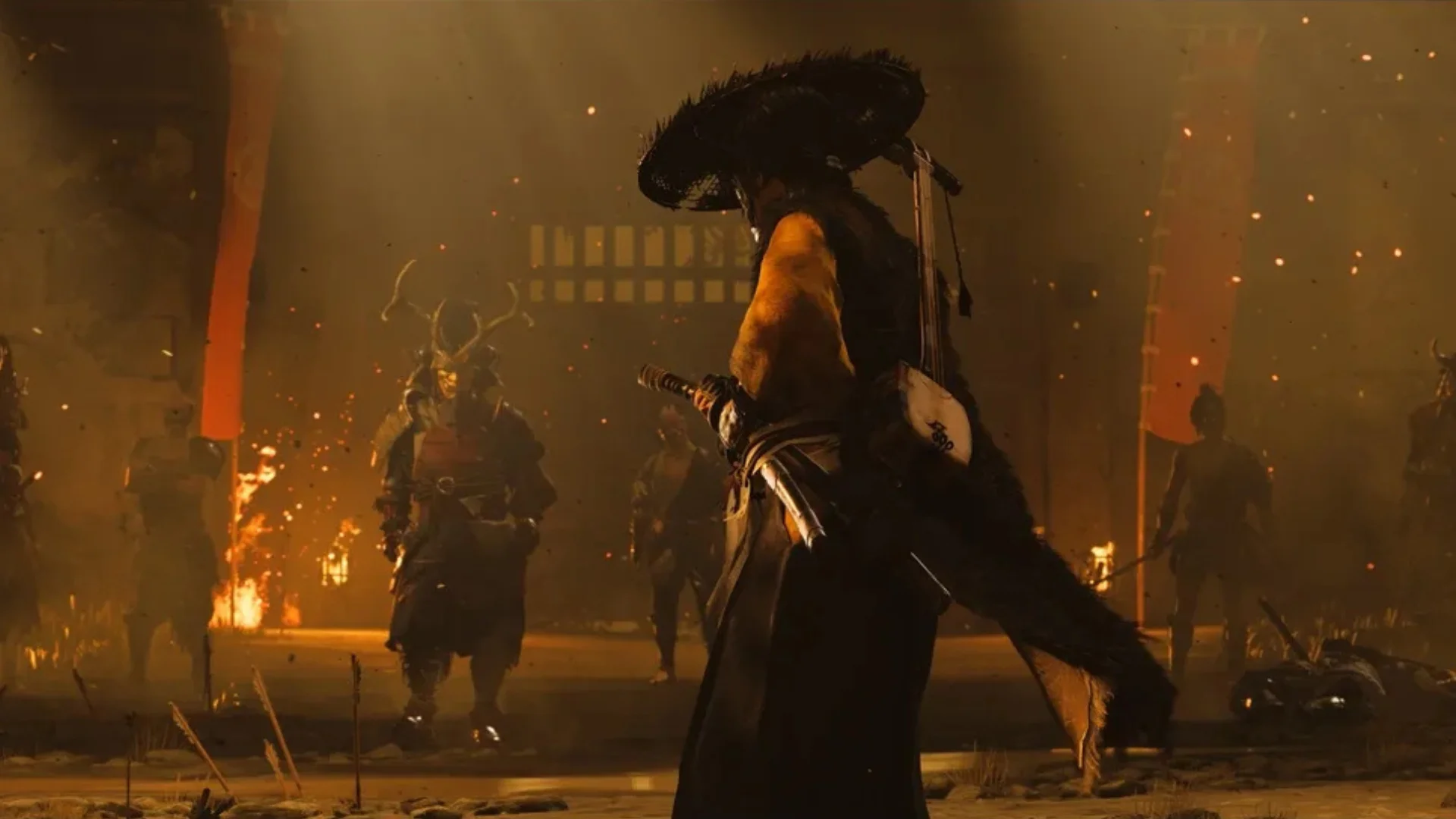
The combat is where Yōtei makes its most obvious improvements. It is still built on timing, reading enemy attacks, switching approaches, and punishing openings, but the flow feels sharper. Atsu’s wider weapon options give fights more variety, and that helps the game move beyond simply refining what Tsushima already did.
I enjoyed how quickly fights could shift. One encounter might push me toward careful parries and counters. Another might make distance, weapon choice, or crowd control more important. The game gives Atsu a stronger sense of adaptability, and that fits her character well. She does not feel like a formal warrior protecting a code. She feels like someone using whatever keeps her alive.
The best fights have a clean rhythm without becoming automatic. A good duel still asks for focus, and larger encounters can turn ugly if I get careless. Some tools and systems feel less essential than others, and not every new feature earns its place, but the core combat is strong enough to carry long sessions. Yōtei makes fighting feel direct, readable, and satisfying without sanding off all the pressure.
Related Article
newsBreaking
Destiny 2 is getting its final live-service update on June 9
May 22, 20263 min read
The open world still shows its seams
Yōtei is a better-paced game than Tsushima, but it is not free from the old problems. Some story missions run longer than they need to. Some side content settles into familiar shapes. There are moments where I could see the structure too clearly: follow a clue, reach a location, fight a group, collect a reward, move on.
That does not ruin the experience, but it does make Yōtei feel safer than its best moments suggest. The world is often stunning, and the combat is consistently strong, yet the game rarely surprises me with the shape of what I am doing. It improves the formula more than it reinvents it.
The middle stretch is where that familiarity shows most. The revenge story gives me a reason to continue, but the pace can loosen when the game spreads its targets, side stories, and upgrades across too many similar beats. I never stopped enjoying the journey, but I did start to feel the open-world routine pressing against the stronger character work.
The style gives every journey weight
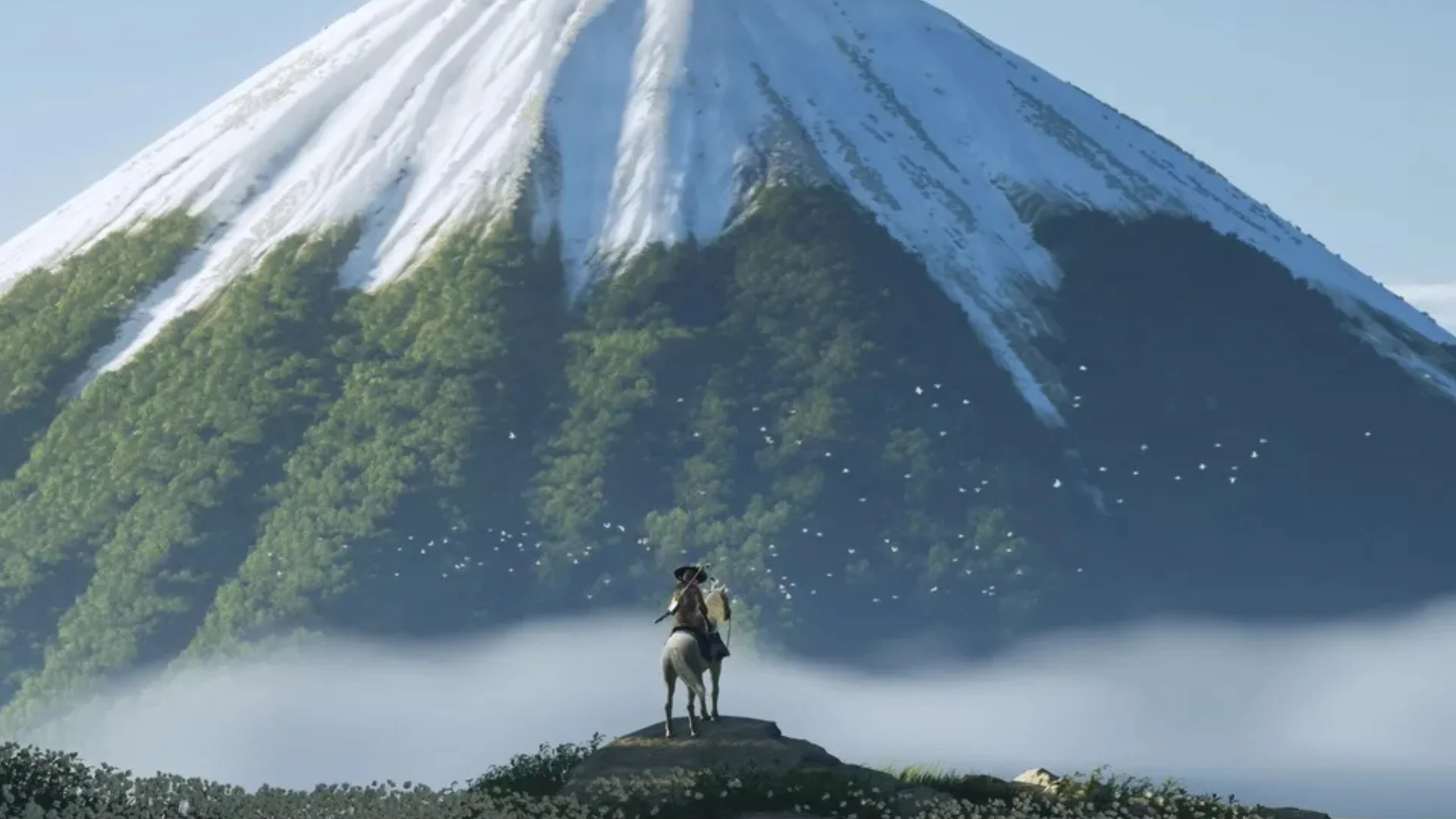
Yōtei is at its strongest when presentation, movement, and mood come together. Riding across Ezo, watching the weather shift, stepping into a duel, or following a quiet trail through snow gives the game a calm confidence. It is cinematic without always needing to shout.
The music and performances help carry that mood. Atsu’s voice work gives her anger and grief a lived-in quality, while the soundscape makes exploration feel less empty than it might have been. The game also uses stillness well. Some of its best stretches are not the biggest fights, but the moments before them, when the world narrows and I know violence is coming.
There are visual rough spots in places, and not every dramatic flourish lands with the same force. But Yōtei understands how to make travel feel purposeful. It gives the journey texture, and that texture helps soften the repetition built into the open-world structure.
Related Article
newsBreaking
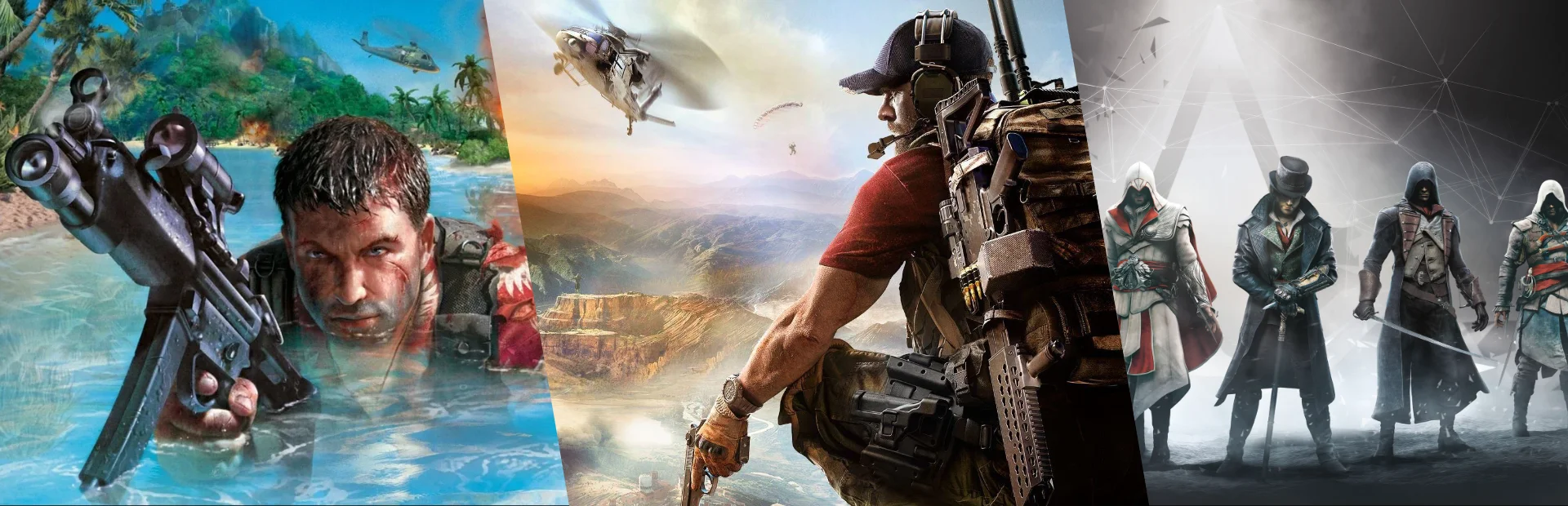
Ubisoft is going back to Assassin’s Creed, Far Cry, and Ghost Recon before 2029
May 21, 20263 min read
Ghost of Yōtei earns the return trip
Ghost of Yōtei is not a radical sequel, and players hoping for a complete reinvention may find it too familiar. It is still built around the same broad pleasures: a striking world, clean combat, guided exploration, side stories, upgrades, and cinematic revenge. The difference is that this version has a stronger lead, a sharper emotional line, and a world that feels less cluttered.
I would recommend it to anyone who enjoyed Ghost of Tsushima and wanted a sequel with better combat, a more personal story, and less open-world bloat. Players tired of the genre’s usual structure may still feel the repetition, especially in the middle hours. For me, the strengths win. Ghost of Yōtei does not escape the limits of its formula, but it understands them better this time, and Atsu gives the journey enough force to make the familiar road worth taking again.
Ghost of Yotei
PlayStation 5
Released
October 2, 2025
Developer
Sucker Punch Productions
Publisher
Sony Interactive Entertainment
Systems
PlayStation 5