
Credit: Capcom
reviewReview
Monster Hunter Wilds is Capcom's smoothest hunt yet
May 26, 2026·8 min read
Monster Hunter Wilds feels like the series finally decided to stop making newcomers prove they deserve to be there. It is faster, cleaner, and far more eager to keep the hunt moving than older entries. That makes it easier to recommend, especially to players who bounced off the series before. It also changes the texture of the experience in ways I kept noticing.
This is still Monster Hunter where it counts. The weapons have weight, the monsters have personality, and the best fights still turn small mistakes into panic. Wilds does not lose the core thrill of studying a creature, chasing it across dangerous ground, and carving victory out of a messy fight. But it does smooth the path so much that some of the old rituals feel thinner. I enjoyed the ride, but I sometimes wished the game trusted me to struggle more.
The hunt moves faster now
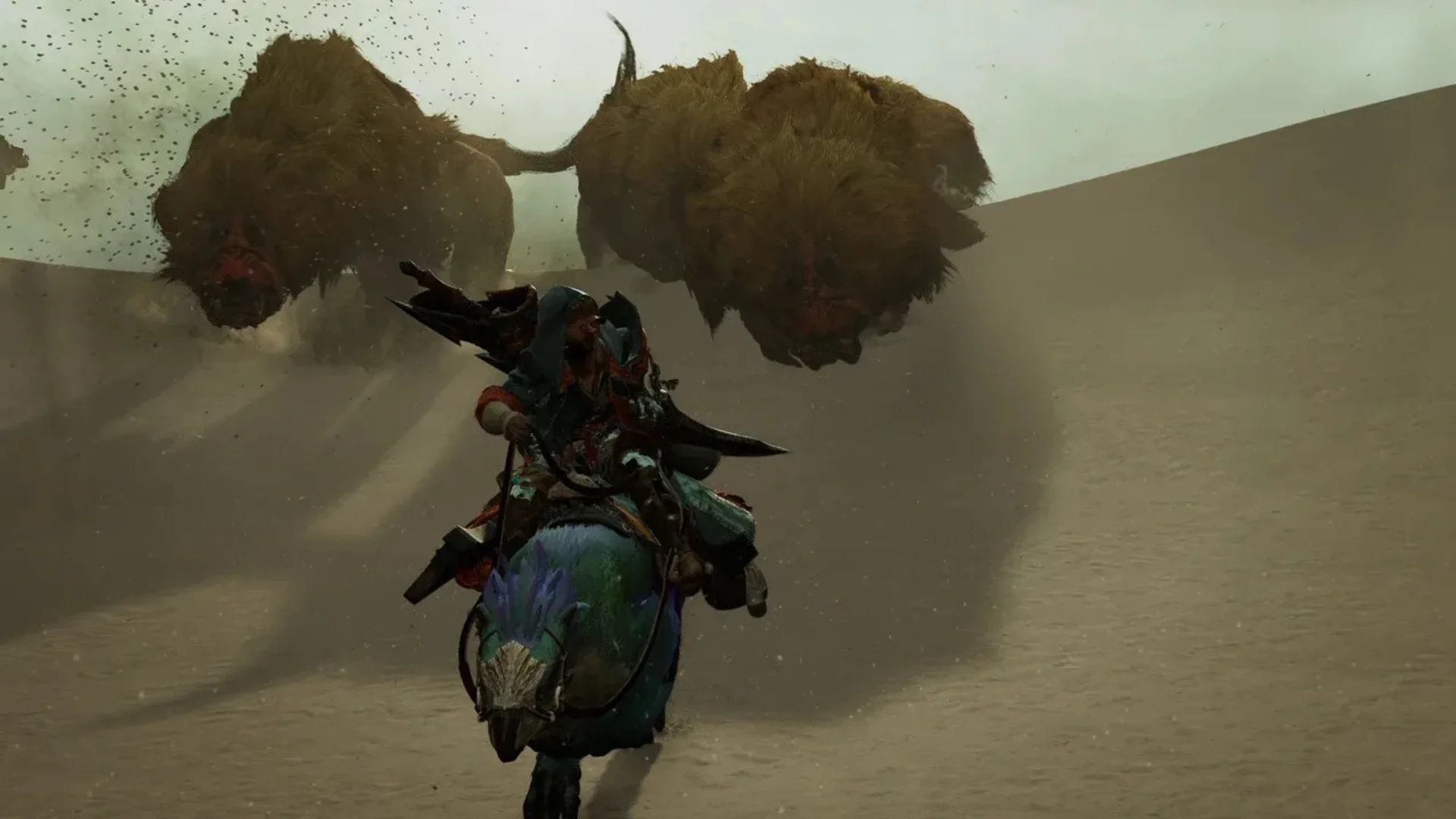
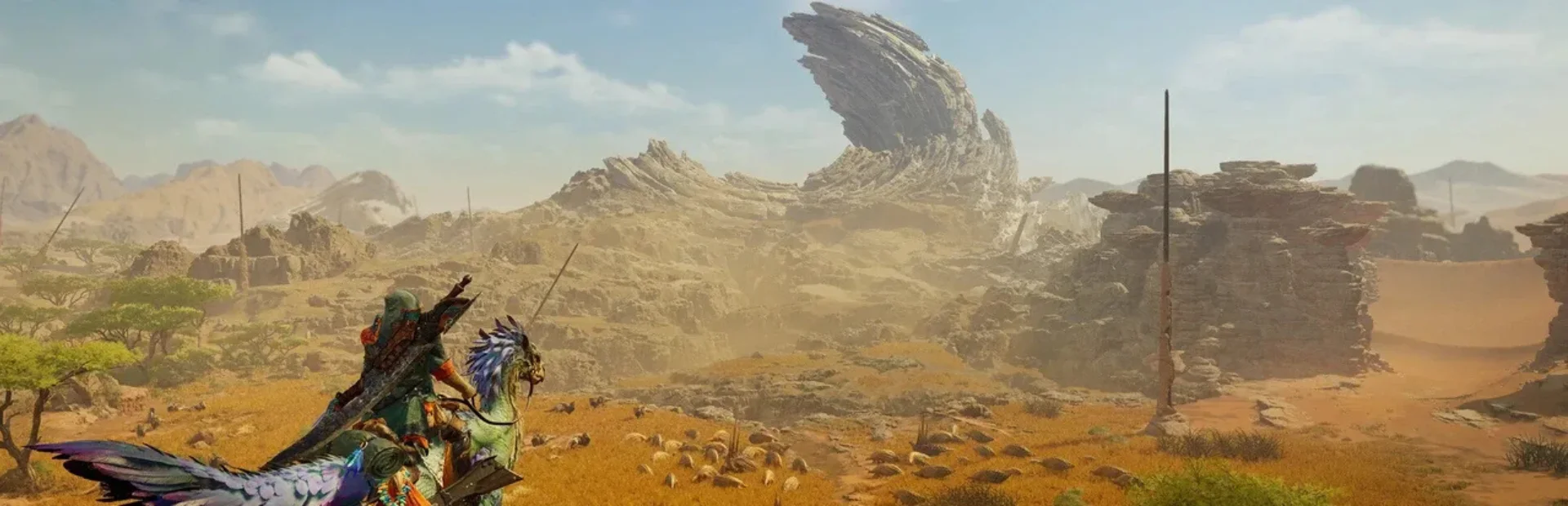
Wilds wastes far less time getting me into the action. The structure is built around momentum, and that change is obvious from the first few hunts. Riding across the map on the Seikret, closing in on a target, swapping gear in the field, and moving between encounters makes the whole game feel more fluid than older Monster Hunter titles.
That sense of motion is a real strength. The world no longer feels like a set of separated arenas stitched together between loading screens. A monster can flee, another can interrupt, weather can change the mood of a hunt, and the terrain can pull the fight into a different rhythm. At its best, Wilds sells the fantasy of tracking dangerous creatures through a place that keeps shifting under my feet.
The downside is that the game rarely lets me feel lost. Older Monster Hunter games could be awkward, but that awkwardness made the hunt feel like a process. Wilds points me forward with such confidence that I missed some of the uncertainty. The chase is better paced, but it is also less mysterious.
Related Article
newsBreaking
BioWare veterans form Studio Reset and reveal a supernatural mystery game
May 21, 20263 min read
Combat carries the whole game
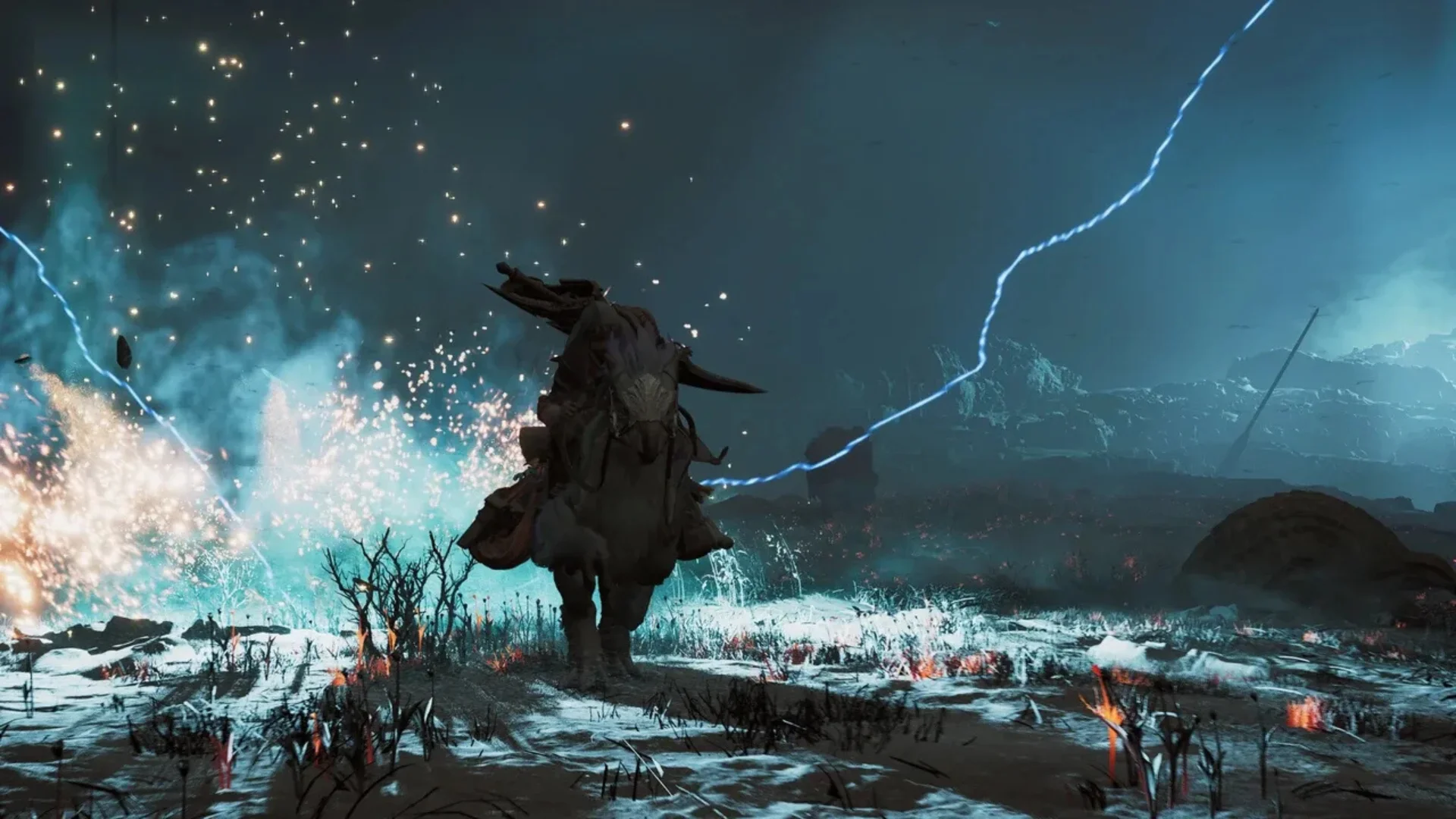
Combat is the main reason Wilds works as well as it does. Every weapon still feels like a commitment rather than a different skin on the same moveset. A Great Sword hunt has a different rhythm from a Dual Blades hunt. A Bow user watches the fight differently from a Hammer user. The game is smoother now, but it has not flattened those identities.
Focus Mode gives fights a cleaner sense of control without making them feel automatic. Wounds also add a useful layer because they give me something specific to pressure during longer fights. I started reading a monster’s body more closely, looking for openings, and deciding when to chase damage and when to step away. The best hunts still have that familiar Monster Hunter feeling where confidence is dangerous. I could be in control for ten minutes, mistime one heal, and suddenly feel the whole fight tilting against me.
Wilds is more forgiving than I expected, especially through the campaign. I rarely felt forced to rethink my entire setup or grind for the perfect answer before moving on. That keeps the pace sharp, but it also softens the satisfaction of overcoming a wall. Monster Hunter is at its best when victory feels earned through better preparation and cleaner decisions. Wilds has that feeling in flashes, but the main path does not always push hard enough to bring it out.
The world feels alive until it gets too guided
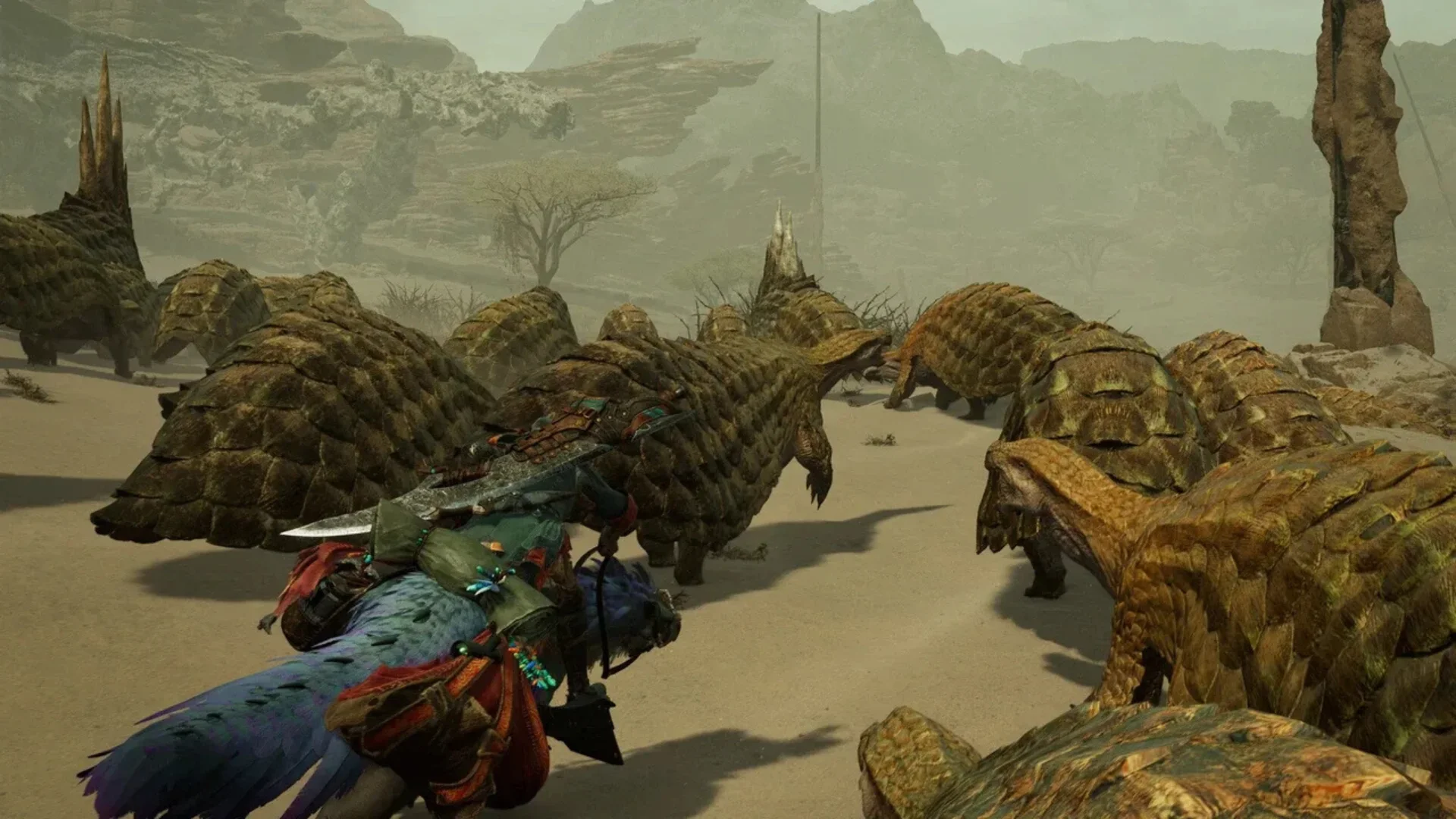
The Forbidden Lands are a strong setting for this style of Monster Hunter. The game leans into movement, weather, herds, open spaces, and sudden monster clashes. When everything comes together, it creates a sense of chaos that feels natural rather than staged. I enjoyed seeing a hunt spill across the map instead of staying locked inside one neat combat zone.
The environments are not all equally memorable. Some areas look impressive in motion but do not stay in my head the way the best Monster Hunter zones should. The game often has scale, but not always texture. I wanted more places that felt strange, threatening, or worth learning beyond the route to the next monster.
Still, the wider structure helps the fantasy. The world feels more connected, and the Seikret makes travel quick without turning movement into a menu. I also liked how easily one hunt can bleed into another moment. A monster passing through, a sudden environmental shift, or a chase that moves into rougher ground can make the game feel alive. Wilds does not always make me work hard to read that world, but it does make the world feel active.
Related Article
newsBreaking
Minecraft players found a seed that feels built for the perfect survival run
May 25, 20263 min read
The story is useful, but the monsters say more
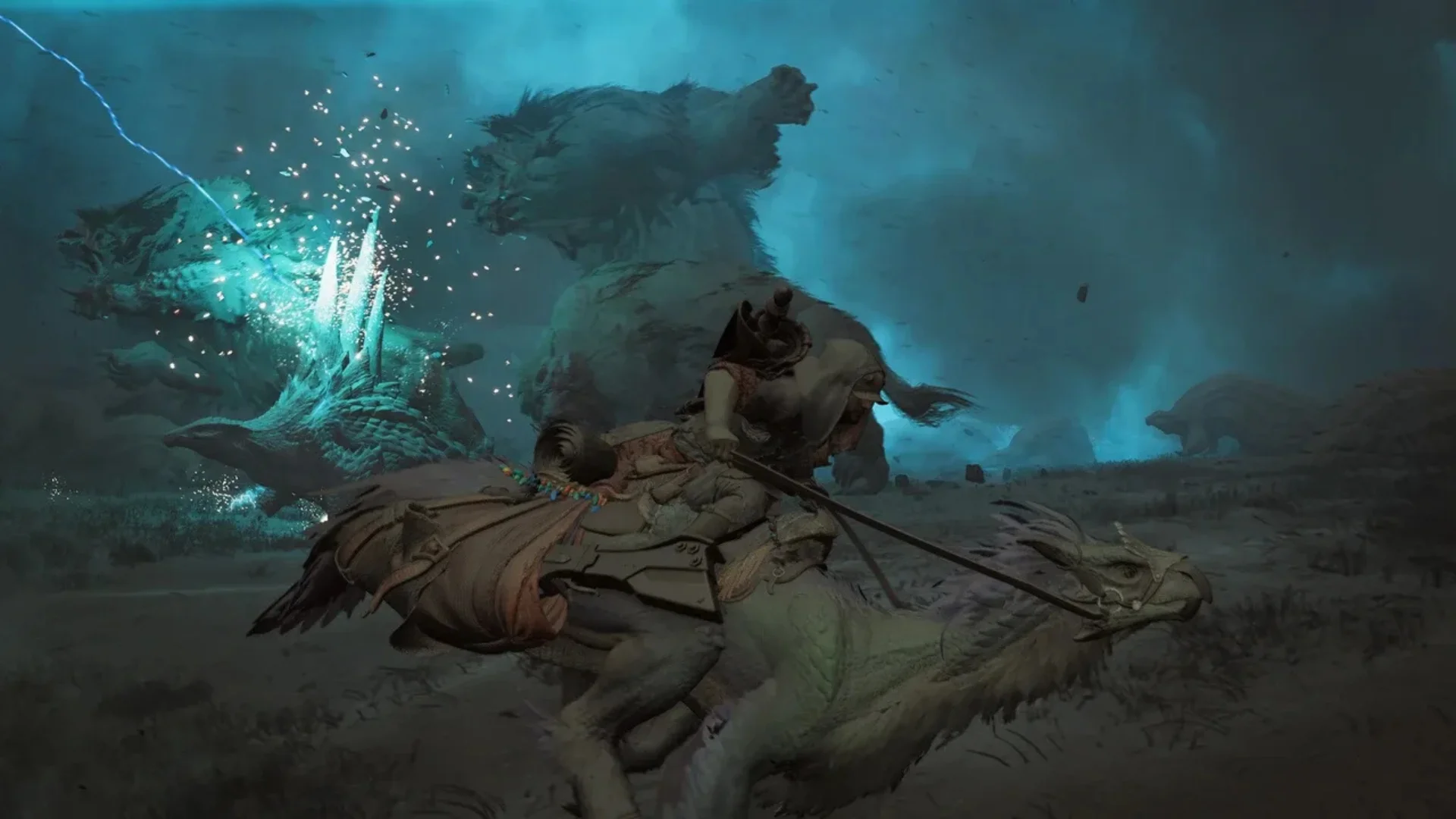
Wilds puts more effort into its story than many older entries. There are more characters, more directed scenes, and a clearer campaign shape. I understand why Capcom went this route. A stronger narrative frame makes the game easier to follow, especially for players who want more than a board full of hunts.
I did not mind having that structure, but I rarely wanted the story to take control for long. Monster Hunter does not need much explanation when a massive creature appears during bad weather and the whole map seems to react. The series has always found drama in preparation, pursuit, failure, and the moment a monster finally starts to limp. Wilds sometimes talks around moments that would have landed better with less interruption.
The cast gives the journey some warmth, and the campaign does help carry players from one region to the next. I just never felt that the written story became the reason to play. The real story was still the hunt I barely survived, the monster that punished my bad habits, and the gear I wanted badly enough to go back out.
Streamlining helps and hurts
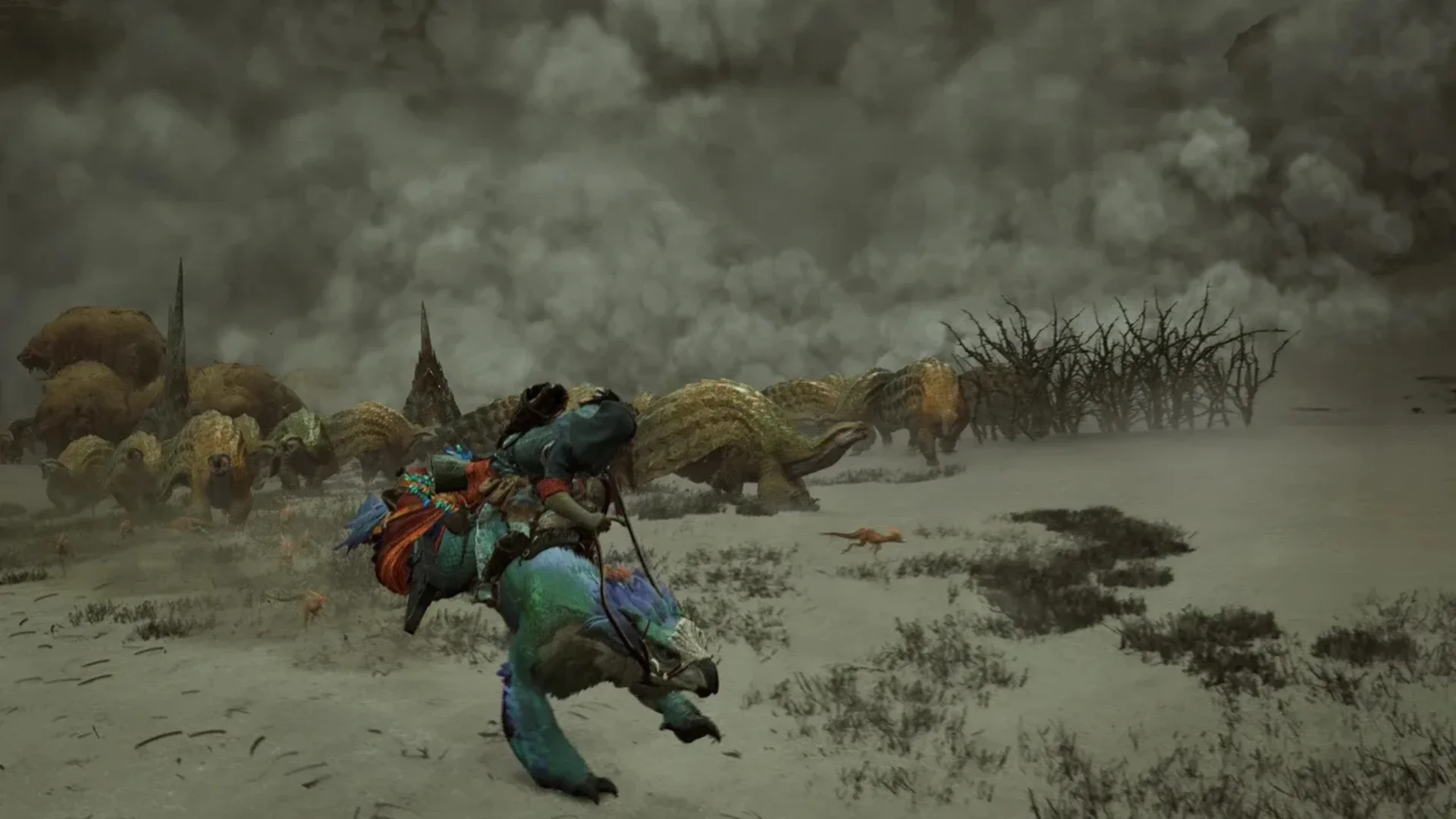
Wilds is clearly designed to remove friction. Gathering is easier. Movement is faster. The route to the next objective is cleaner. The game does more to keep me from sitting outside the fun. Many of those changes are sensible. I do not need Monster Hunter to waste my time to prove it has depth.
But the series has always had a ritual side. Preparing for a hunt, checking supplies, thinking about what could go wrong, and learning a monster through repeated failure are part of the appeal. Wilds trims some of that down until the journey can feel too neat. It is convenient, but sometimes too convenient.
That tension defines the game. Wilds is probably the most welcoming Monster Hunter yet, and that is not a small achievement. It opens the door without turning the combat into something shallow. But returning players may feel the missing roughness more sharply. The game is easier to flow through, yet some victories do not stay with me as long as they should.
Related Article

newsBreaking
GTA 6 preorder buzz sends Take-Two stock higher before Rockstar says a word
May 18, 20263 min read
Performance holds it back
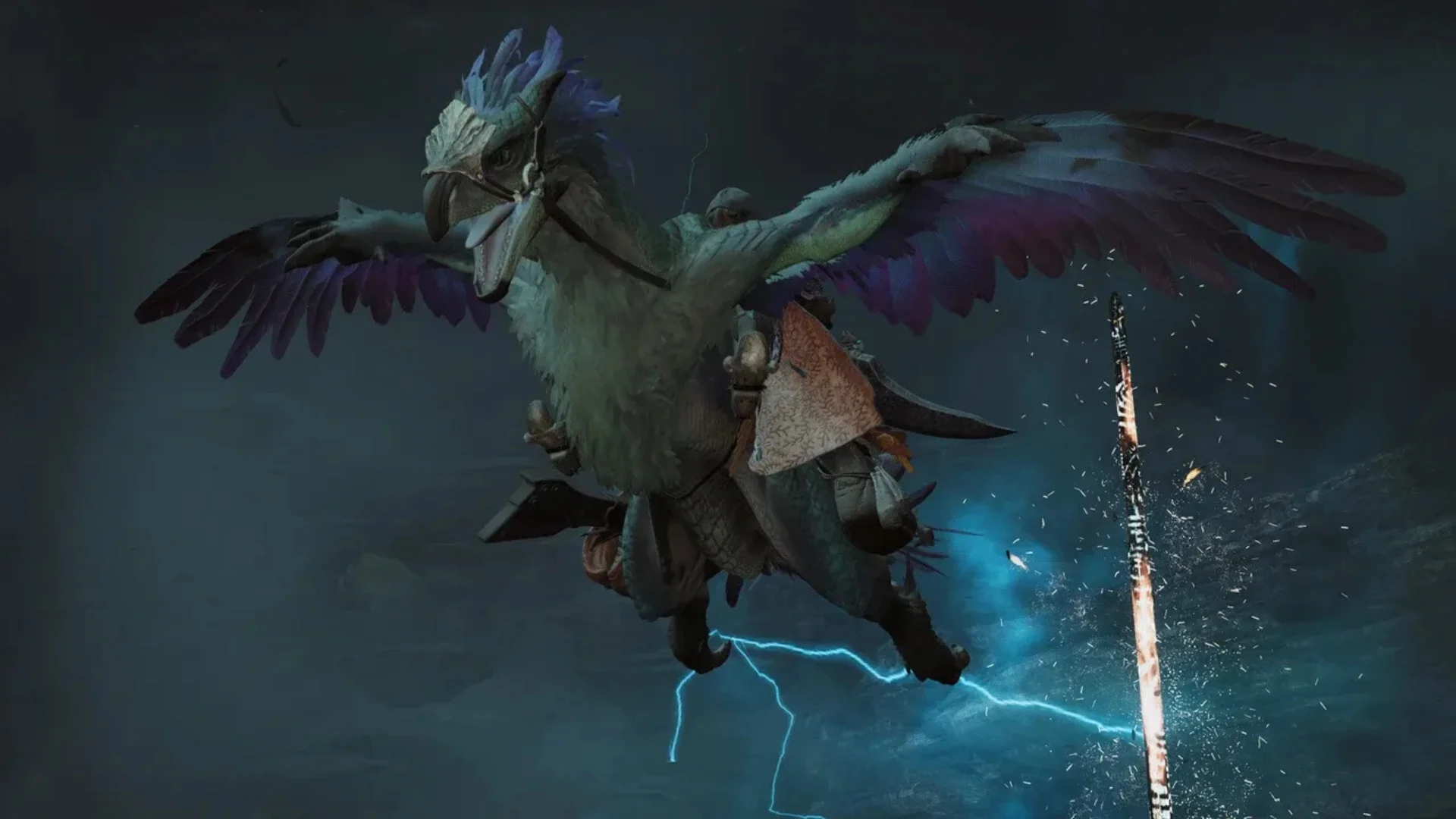
Wilds can look fantastic when everything is working. The animation, monster detail, weather effects, and sense of scale can make a hunt feel huge. There are moments where a creature tears through the terrain, the sky changes, and the whole game looks like it is straining to keep up with the chaos in the best way.
The problem is that the game does not always keep up cleanly. Performance issues, visual rough spots, and technical instability are hard to ignore, especially in a game built around long fights and online play. A hunt needs rhythm. When the frame rate dips, the image muddies, or the game stutters at the wrong time, that rhythm takes a hit.
This does not ruin Wilds, but it does stop it from feeling as polished as its combat deserves. The best parts of the game are physical and reactive. They depend on timing, confidence, and clean reads. Technical problems pull against that, and they are frustrating precisely because the core hunting is so strong.
Monster Hunter Wilds is worth playing now
Monster Hunter Wilds is a great entry point and a strong action RPG, even if it is not the sharpest version of the series’ identity. It gives the hunt more speed, more spectacle, and more approachability without losing the thrill of facing a monster that can still punish careless play. New players will likely find this the easiest Monster Hunter to understand, and returning players will still find enough depth in the weapons and creatures to stay invested.
I do think Wilds gives away too much comfort too early. The campaign could push harder, the story could step back more often, and the technical issues should not be brushed aside. But the strengths outweigh those frustrations. When a hunt breaks open, the weather turns, and a monster starts fighting like it wants to survive as badly as I do, Wilds still feels like Monster Hunter where it counts.
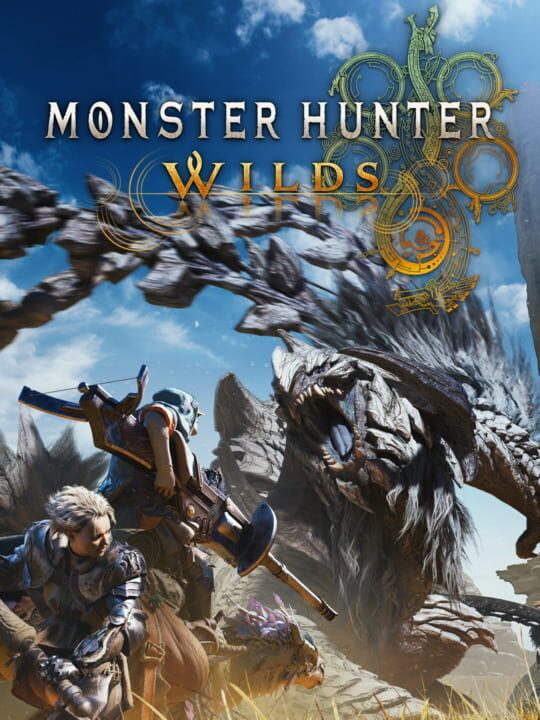
Monster Hunter Wilds
Xbox Series X|SPC (Microsoft Windows)PlayStation 5
Released
February 28, 2025
Developer
Capcom
Publisher
Capcom
Systems
Xbox Series X|S
PC (Microsoft Windows)
PlayStation 5